Builders
 Carpenters
 Electricians
 Flooring Specialists
 Gardeners
 Handymen
 Heating Engineers
 Painters & Decorators
 Plasterers & Renderers
 Plumbers
 Roofers
 Tilers
 my
myDriveway Sealing Cost
At a Glance
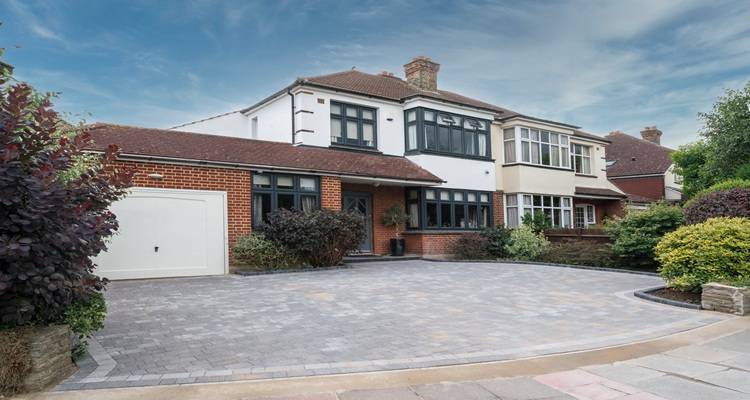
- The average cost of driveway sealing is around £400.
- Most jobs take 2 to 4 days to complete.
- A breakdown of driveway sealing costs in 2026 by size, material, and sealant type.
- What's included in a driveway cleaning and sealing cost.
- How to find and hire a driveway sealing specialist near you using MyJobQuote.
Get free estimates
Are you a trade? Get more work today!
Sealing a driveway helps protect it from oil stains, moss growth, water penetration, and general wear caused by weather and ultraviolet (UV) rays. It also restores a tired-looking driveway, giving it a clean and well-maintained appearance.
This guide covers driveway sealing costs in 2026, the factors that affect pricing, and how to find a driveway sealing specialist near you.
£400
Table of Contents
- How Much Does Driveway Sealing Cost?
- Labour Cost to Seal a Driveway
- Supply Cost of Sealing a Driveway
- Additional Driveway Sealing Costs
- What Impacts the Driveway Sealing Cost?
- What's Involved in Driveway Sealing?
- Types of Driveway Sealing
- Types of Finishes and Sealer Properties
- Alternative Types of Driveway Sealing
- Checklist: Hiring a Driveway Sealing Contractor in the UK
- FAQs
How Much Does Driveway Sealing Cost?
Driveway sealing costs depend mainly on the size of the driveway, the surface material, and how much preparation the job needs.
Any preparatory work will also influence the cost. Common tasks that need to be done before sealant is applied to a driveway include:
- Cleaning
- Re-sanding joints
- Weed removal
- Repairing cracks
For example, block paving often requires re-sanding work before sealant is applied, and concrete may need cracks or small holes repaired.
Many quotes bundle cleaning in with the sealing work, so you may see this listed as a driveway cleaning and sealing cost rather than two separate charges. If you only want your driveway cleaned, see our driveway cleaning cost guide for prices.
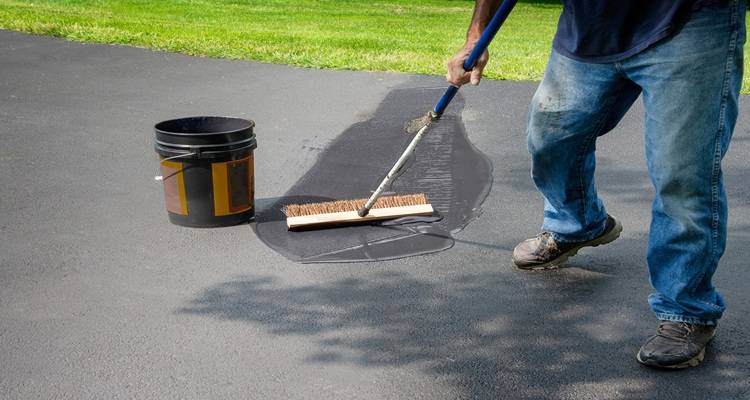
Sealing is a more cost-effective option than resurfacing or replacing a driveway, but it only works if the base is stable and the surface needs minor cosmetic repairs only.
What type of driveway do you need sealed?
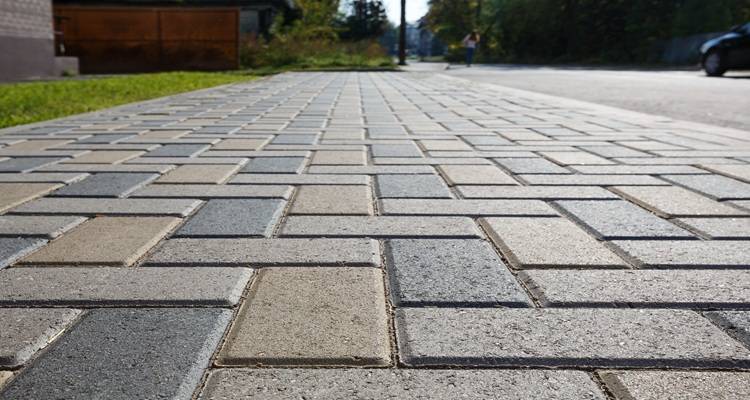
Block paving
0 votes - 0%0% of votes
Tarmac or asphalt
1 votes - 50%50% of votes
Concrete
0 votes - 0%0% of votes
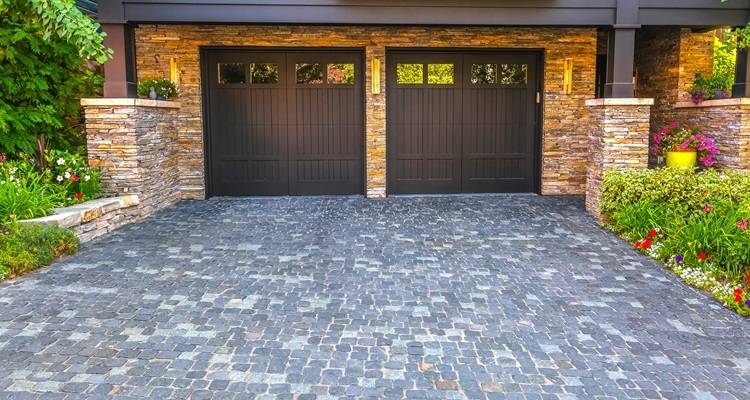
Imprinted concrete
1 votes - 50%50% of votes
Natural stone
0 votes - 0%0% of votes

2 votes
See results
Hide results
Driveway Sealing Prices
| Driveway Size | Average Cost |
|---|---|
| Small (30m²) | £200–£250 |
| Medium (60m²) | £300–£400 |
| Large (90m²) | £450–£600 |
| Material Type | Average Cost (per m²) |
|---|---|
| Tarmac | £5–£10 |
| Asphalt | £4–£8 |
| Concrete | £6–£12 |
| Block Paving | £7–£15 |
| Preparation | Average Cost |
|---|---|
| Driveway Cleaning | £90–£320 |
| Re-Sanding Block Paving | £2–£3 per m² |
| Applying Multiple Sealing Coats | £3–£6 per m² |
Want a custom price?
Post your job
These prices include labour. Costs across the UK vary by location, and you'll typically pay more in London and the South East of England than in other parts of the country.
Labour Cost to Seal a Driveway
Driveway specialists charge around £150 to £200 per day, though most will quote sealing jobs as a fixed price based on the size of the driveway.
How Long Does It Take to Seal a Driveway?
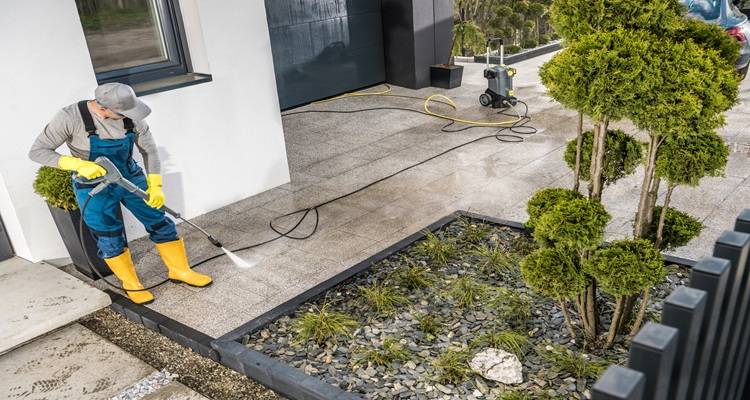
Applying the sealer itself doesn't take long, but you'll also need to allow time for preparation, cleaning, drying, and curing.
| Driveway Size | Active Work (Clean and Seal) | Total Time |
|---|---|---|
| Small (30m²) | 2 to 4 hours | 2 to 3 days |
| Medium (60m²) | 4 to 5.5 hours | 2.5 to 3.5 days |
| Large (90m²) | 5 to 9 hours | 3 to 4 days |
Drying typically takes 24 to 48 hours for foot traffic and rain resistance, but it takes 48 to 72 hours before the driveway can be used by cars again. Poor weather, complex projects, or awkward access can add a few extra days to these timescales.
Supply Cost of Sealing a Driveway
The cost of sealant depends on the type you choose and the size of your driveway. Supplies are typically priced per litre, though some products, like kiln-dried sand, are priced per square metre.
Acrylic Sealers
Acrylic sealers leave a glossy, UV-resistant finish that dries quickly and needs reapplying every 2 to 3 years.
Polyurethane Sealers
Polyurethane sealers give a gloss finish and are often used in high-traffic areas. They need reapplying every 4 to 6 years.
Solvent-Based Sealers
Solvent-based sealers penetrate deeper than water-based options, so they're often used on printed concrete and block paving. Reapplication is usually needed every 3 to 4 years.
Water-Based Sealers
Water-based sealers are environmentally friendly, as they don't contain solvents. They're water-resistant and hard-wearing but need reapplying every 1 to 2 years.
Specialist Cleaners
Specialist cleaners are designed for a particular driveway material, such as block paving, stone, tarmac, or concrete.
| Sealant Type | Average Cost (per Litre) |
|---|---|
| Acrylic | £5–£9 |
| Polyurethane | £9–£13 |
| Solvent-Based | £10–£16 |
| Water-Based | £6–£8 |
| Specialist Sealers | £15–£25 |
Want a custom price?
Post your job
Other supplies you may need, in addition to sealant, include:
- Kiln-dried sand: around £1 per square metre.
- Weed treatment: £3 to £7 per litre.
- Cleaning products: £2 to £8 per litre.
- Crack repair material: £20 to £30 per litre.
- Pressure washer hire: £40 to £80 per day.
Additional Driveway Sealing Costs
Additional costs to factor into your budget can include:
| Type of Work | Average Cost |
|---|---|
| Pressure Washing | £2–£5 per m² |
| Oil Stain Removal | £3–£8 per m² |
| Weed Treatment | £2–£5 per m² |
| Moss Removal | £2–£5 per m² |
| Joint Re-Sanding | £2–£3 per m² |
| Crack Repairs | £30–£80 |
| Minor Patching | £15–£35 per linear metre |
| Removing Old Sealer | £45–£125 |
| Skip Hire for Related Work | £60–£300 |
| Sealing Walls, Edgings, or Paths | £5–£7 per m² |
Want a custom price?
Post your job
If your existing sealer has peeled, discoloured, or is trapping moisture underneath, your contractor may recommend removing it before applying a fresh coat. Sealing over a damaged old sealer can shorten your driveway's lifespan, so it's usually worth the extra cost.
What Impacts the Driveway Sealing Cost?
Several factors affect the total cost of driveway sealing. Most contractors will factor in the following when working out your quote.
- Driveway Size — Larger driveways cost more to clean, prepare, and reseal, as the job takes longer.
- Surface Type — Some surface types take more work than others. Plain concrete, for example, is quicker to seal than block paving.
- Driveway Condition — A driveway in poor condition needs more preparation, which adds to the overall cost.
- Number of Coats — Most quotes include 1 or 2 coats of sealer. Extra coats usually cost more.
- Choice of Sealant — Sealants vary in finish and quality, and some suit certain surface types better than others.
- Ease of Access — Restricted access can mean materials have to be carried in by hand, which takes longer and adds to the cost.
- Weather Conditions — Sealing can't be done in wet or frosty weather. Poor conditions or extreme heat can delay the job or cause weather damage if the sealant is applied too soon.
- Location in the UK — Costs across the UK vary, and you'll usually pay a higher cost in London and the South East of England.
- Extra Repairs — Cracks, patch repairs, or re-sanding before sealing will add to the final quote.
What's Involved in Driveway Sealing?
Preparation is the most important part of the process, as it affects how well the sealer bonds and how long a sealed driveway lasts.
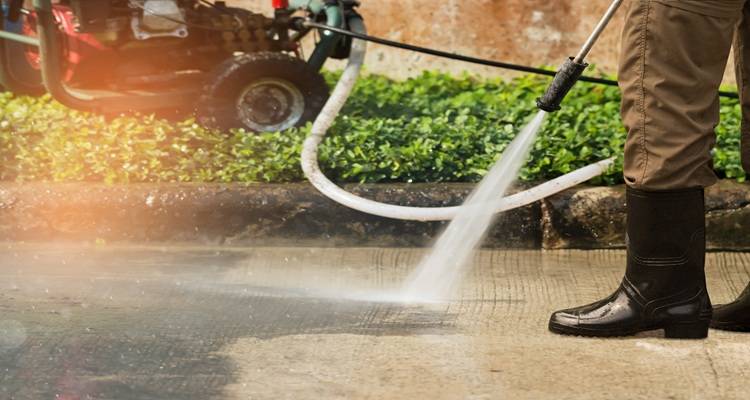
- Cleaning — The driveway is swept to remove debris, then pressure washed or treated with cleaning products to remove stains. This takes 1 to 5 hours, depending on the size of the driveway.
- Repairs — Any cracks or small holes are repaired before sealing, and block paving may need the joints topped up with sand. This takes 1 to 3 hours.
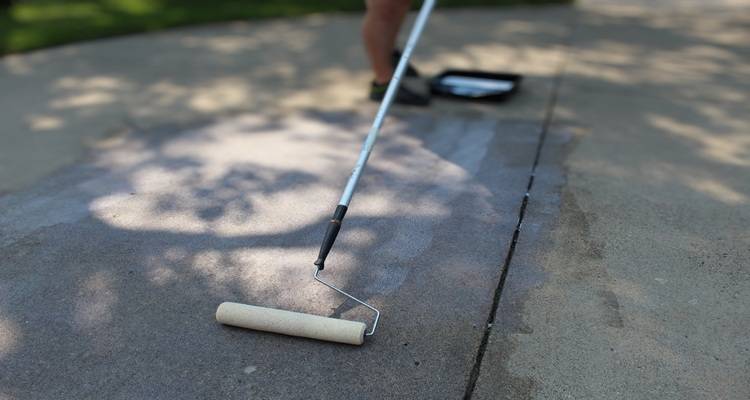
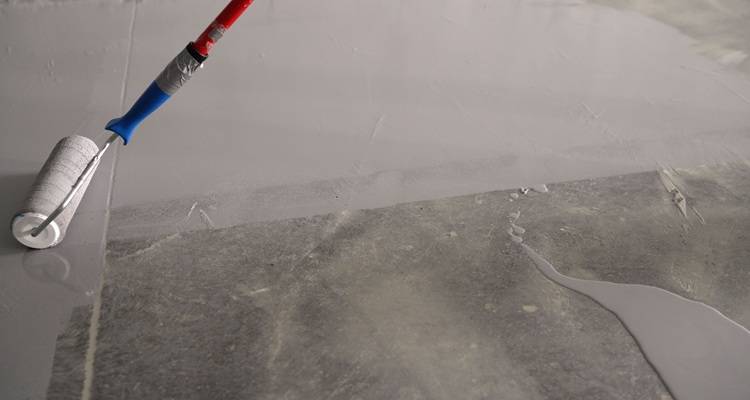
- Sealer Application — Once the driveway is dry, the sealer is applied with a roller or spray applicator for an even finish. This takes 1 to 4 hours.
- Curing — The sealer needs several days to dry and fully set before the driveway can be used again.
Types of Driveway Sealing
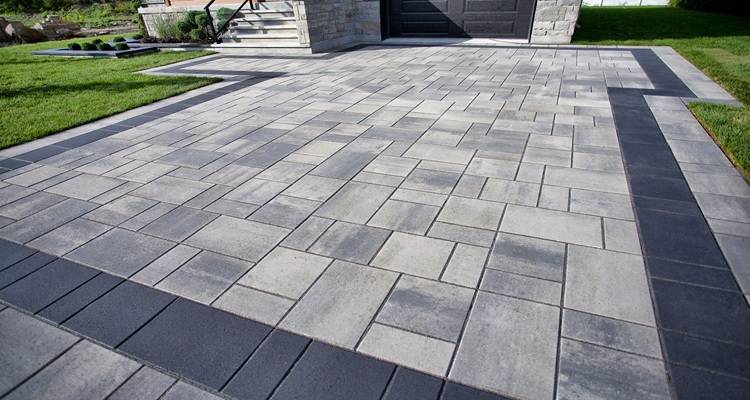
There are several types of driveway sealer available, and the right choice depends on the finish you want and your driveway's surface material.
The sealant you use will affect how the driveway surface looks, its resistance to UV rays and stains, and how long the protection lasts.
Block Paving Sealers
Block paving sealers are designed to protect individual blocks and stabilise the joints between them. These sealers will usually bind the kiln-dried sand in the joints, which helps to prevent weed growth and reduce movement over time.
You can buy block paving sealers in a matt or gloss finish. That gives you the choice of a glossy finish or a natural look. Block paving sealers penetrate deeply into the surface so that the blocks and the sand are protected.
Costs to seal block paving can be higher than other materials because the preparation of replacing the sand between the gaps takes more work.
Concrete Driveway Sealers
Concrete sealers are typically acrylic or polyurethane-based, and work on both plain and imprinted concrete driveways. They're durable, though most need reapplying every few years depending on traffic levels and weather exposure.
These sealers help reduce oil stains, water penetration, and surface wear, and are available in gloss or matt finishes. Gloss tends to be more popular for decorative concrete, as it enhances the colour.
Tarmac and Asphalt Sealers
Tarmac or asphalt sealers are designed to restore faded colour and protect the surface from UV rays and water, which can cause the surface to crack.
Unlike some other sealers, tarmac products are typically more functional than decorative, and most finishes are matt or low sheen rather than high gloss, which can be slippery and unnatural looking.
Tarmac and asphalt sealing are more affordable options, but the results depend on proper cleaning and preparation before application.
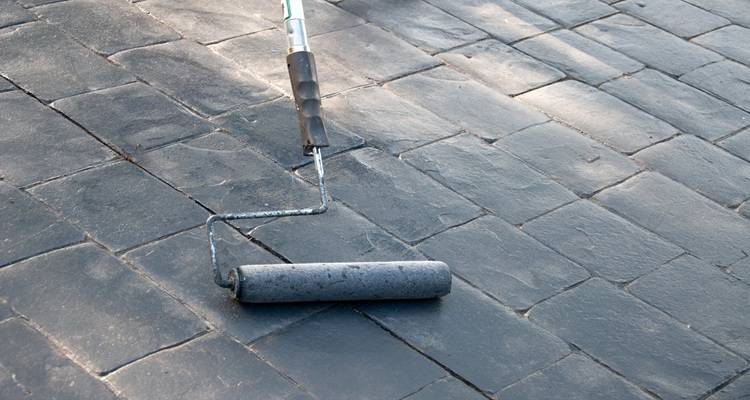
Imprinted Concrete Sealers
Imprinted concrete needs to have a specialist sealer that protects the surface and enhances its decorative finish. These sealers are usually acrylic-based. When applied, they highlight the pattern and deepen the colour.
Gloss finishes are commonly used for this type of driveway as they create a polished look. But this can make the surface slightly more slippery when wet, so anti-slip additives are sometimes included.
Imprinted concrete sealing can be more expensive than standard concrete sealing because of its decorative value and the fact that it may need multiple coats.
Natural Stone Sealers
Natural stone driveways require specialist sealers that are designed to work with porous materials such as sandstone, limestone, or granite. These sealers soak into the stone rather than sitting on the surface.
Most natural stone sealers are breathable, meaning they allow moisture to escape while still protecting against water and stains. This means problems such as trapped moisture or surface damage are reduced.
Natural stone sealers are typically more expensive because the specialist formulation preserves the natural appearance of the stone.
Resin Bound Driveway Sealers
Resin bound driveways are naturally low-maintenance and don't need sealing as often as block paving or concrete. Most come with a UV-stable resin topcoat built in, so resealing is more about refreshing the colour once it starts to dull, which is typically only needed every 8 to 10 years.
When resealing is needed, a specialist UV-resistant resin topcoat restores the colour and improves grip without affecting the surface's permeability, helping to protect the driveway's lifespan.
If you're considering a new resin bound driveway rather than resealing an existing one, our resin driveway cost guide covers installation prices in detail.
Ask a Trade
Got a question that only a tradesperson can answer? We have thousands of trades ready to answer any question you may have.
Ask your question

Types of Finishes and Sealer Properties
In addition to choosing a sealant based on the driveway material, homeowners will also need to consider the type of finish they want and how the product protects the driveway.
Matt and Gloss Finishes
Driveway sealers are usually available in matt or gloss finishes.
Matt finishes provide a more natural look and are often preferred for stone or traditional driveways. They are less slippery and tend to show fewer marks over time.
Gloss finishes enhance colour and give the surface a wet-look appearance. They are popular for decorative surfaces like imprinted concrete, but may require more maintenance to keep them looking clean.
The choice between matt and gloss can affect both the appearance and long-term upkeep of the driveway.
Breathable and Non-Breathable Sealers
Breathable Sealers
Breathable sealers allow moisture to pass through the surface while still protecting it from water and stains. These are particularly important for natural stone and older driveways where moisture can become trapped.
Non-Breathable Sealers
Non-breathable sealers are more commonly used on concrete or imprinted surfaces because they create a solid barrier on the surface. This provides better protection but may lead to problems if moisture is trapped underneath and is therefore not used with natural stone.
The wrong type of sealer can mean it will, over time, start to peel, discolour, or lead to a damaged surface.
Penetrating and Surface Sealers
Penetrating Sealers
Penetrating sealers soak into the material and protect it from the inside. They tend to provide a more natural finish and are often used on stone or concrete surfaces where preserving the original appearance is important.
Surface Sealers
Surface sealers lie on top of the driveway and create a protective coating. These are more likely to enhance colour and provide a gloss finish. But they aren't as long-lasting and may wear down over time.
The choice between the two will affect durability, appearance, the amount of maintenance required, and the overall cost of driveway sealing.
Alternative Types of Driveway Sealing
If sealing isn't right for your driveway, or you'd rather save money, here are some alternatives to consider.
Leaving the Driveway Unsealed
A sealed driveway needs less maintenance than one left untreated, but leaving yours unsealed is an option if you're happy to clean, weed, and repair it regularly. Repair any cracks or holes as soon as they appear to prevent further damage.
Applying a Sealer Less Frequently
Some contractors recommend resealing every 2 years, while others suggest every 3 to 4 years. For a small driveway, having it professionally cleaned and sealed every 4 years might cost between £200 and £600 in total, working out at £50 to £150 per year.
Using Surface-Specific Protective Treatments
Treatments like algae removal, water repellent, or stain-resistant coatings can extend your driveway's lifespan between sealing jobs. These can be applied as a DIY job to save money, but they'll likely need renewing regularly to stay effective.
Carrying Out Minor Repairs
Repairing cracks or holes will help maintain your driveway's appearance and protect it from further damage.
Regular Cleaning
Regular cleaning keeps your driveway free of dust, dirt, and stains. You can clean it yourself with a stiff brush or a power hose, or pay a professional between £2 and £5 per m².
Resurfacing
If your driveway's foundations are stable but the surface is damaged and scruffy, driveway resurfacing might be worth considering instead. Costs vary by size and material, but expect to pay between £20 and £70 per m².
A Driveway Replacement
If your driveway's foundations have failed, a new driveway may be the better option, as it renews both the base and the surface. Expect to pay between £43 and £120 per m².
Checklist: Hiring a Driveway Sealing Contractor in the UK
Consider these key points before hiring a driveway sealing specialist, and aim to get at least 3 quotes so you can compare pricing and services.
- Does the quote include preparation? Check whether cleaning, weed removal, and re-sanding are included, or charged separately.
- What type of sealant will they use? Ask which product suits your driveway material and how long it should last.
- How long until you can use the driveway? Curing times vary, so confirm this before booking any deliveries or events.
- Do they have experience with your driveway type? Look for a specialist who's worked with your specific material before.
- Do they have public liability insurance? This protects you if anything goes wrong during the job.
- Do they have positive reviews? Check their MyJobQuote profile for feedback from previous customers.
Get a written quote that outlines the scope of work and the total cost before any work begins.
FAQs
Is Driveway Cleaning Included in the Sealing Cost?
Yes, in most cases. Cleaning is usually the first step in the sealing process, so quotes for a driveway cleaning and sealing cost typically cover both jobs as a single price. If you only want your driveway cleaned rather than sealed, this is usually charged separately by professional cleaners.
How Much Does It Cost to Seal Coat a Driveway?
"Seal coating" is simply another term for applying a driveway sealer, and costs the same. Expect to pay around £200 to £600 for a full clean and seal, depending on the size and material of your driveway.
Is Driveway Sealing Worth the Cost?
Yes, for most driveways. A sealed driveway resists stains, moss, and weed growth better, so it stays attractive for longer with less maintenance. Without sealing, oil, water, and tyre marks are likely to leave permanent marks, and the colour will fade faster in direct sunlight.
How Long Does Driveway Sealing Last?
This depends on the sealant used and the number of coats applied, but sealing typically lasts 1 to 4 years before it needs reapplying.
Can All Driveway Surfaces Be Sealed?
Sealant can be applied to block paving, tarmac, stone, and concrete driveways. Resin bound driveways are the exception, as they're designed to be low-maintenance and rarely need resealing.
Can I Seal a Driveway Myself?
DIY sealing is possible if you have the right tools, time, and experience, but the driveway must be properly prepared first. Weeds need removing, cracks and holes need repairing, and the surface needs to be completely dry before you start.
A specialist will apply a professional, long-lasting finish and knows how to handle any problems that come up, so it's worth getting a few quotes before deciding to take the job on yourself.
Are There Building Regulations for Driveway Sealing?
Most driveway sealing jobs don't need building regulations approval, but the sealant shouldn't change how permeable a sealed driveway is. Under Sustainable Drainage System (SuDS) rules, water from your driveway needs to drain into a soakaway on your property rather than the public highway.