Builders
 Carpenters
 Electricians
 Flooring Specialists
 Gardeners
 Handymen
 Heating Engineers
 Painters & Decorators
 Plasterers & Renderers
 Plumbers
 Roofers
 Tilers
 my
myInstalling a Hydrogen Boiler Cost
At a Glance
- The average cost of a hydrogen boiler installation is around £3,500.
- It takes approximately 1 to 3 days to install a hydrogen boiler.
- How much it costs to install a hydrogen boiler in the UK, and what affects the price.
- What's involved in a hydrogen boiler installation and what to expect from the process.
- How to find and hire a heating engineer near you with MyJobQuote.
Get free estimates
Are you a trade? Get more work today!
Hydrogen boilers are not yet available to buy in the UK and are still in the trial stage, but as the country transitions towards greener energy solutions, they are gaining traction as a low-carbon alternative to traditional natural gas boilers for homeowners looking to futureproof their heating systems.
£3,500
Table of Contents
- How Much Is a Hydrogen Boiler?
- Labour Costs and Timescales
- Supply Costs for Hydrogen Boilers
- Additional Costs of Installing a Hydrogen Boiler
- Cost Factors for Hydrogen Boilers
- Running Costs of a Hydrogen Boiler
- Government Grants and Schemes
- Types of Hydrogen Boilers
- The Benefits of Hydrogen Boilers
- How Hydrogen Boilers Work
- Hydrogen Infrastructure and Availability
- Alternative Types of Hydrogen Heating
- Hydrogen Boilers vs Heat Pumps
- Hiring Contractors Checklist for Hydrogen Boiler Installation
- Removing Existing Boiler: Considerations and Costs
- FAQs
How Much Is a Hydrogen Boiler?
As hydrogen boilers are currently still in the prototype stage, the specific installation costs remain uncertain and will become clearer once they are more commercially available.
However, large boiler manufacturers in the UK have committed to ensuring that hydrogen-ready boiler prices will remain similar to or lower than the cost of traditional natural gas boilers.
Which type of hydrogen boiler are you considering?
Hydrogen-ready boiler
0 votes - 0%0% of votes
100% hydrogen boiler
2 votes - 100%100% of votes
Hybrid hydrogen system
0 votes - 0%0% of votes

2 votes
See results
Hide results
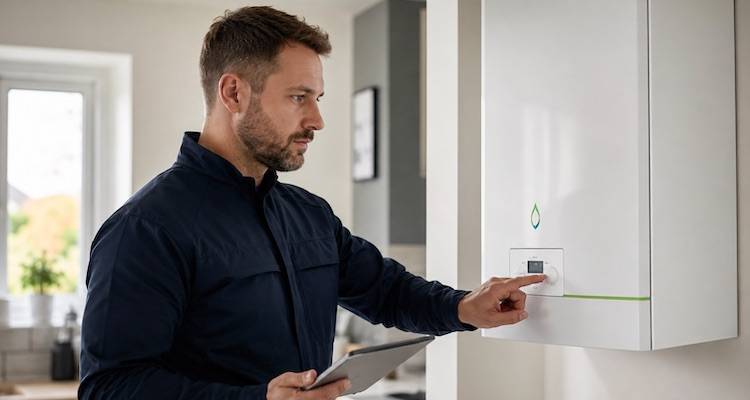
The average cost of installing a hydrogen boiler in the UK is expected to be around £3,500. Hydrogen boilers are currently at the higher end of the domestic boiler cost scale, and the costs can vary between different models and suppliers.
As a guide, you can realistically expect to pay around £700 to £3,200 for the supply of the boiler only (without installation). The average cost of getting a hydrogen boiler installed (supply and fit) usually lands between £2,000 and £5,000.
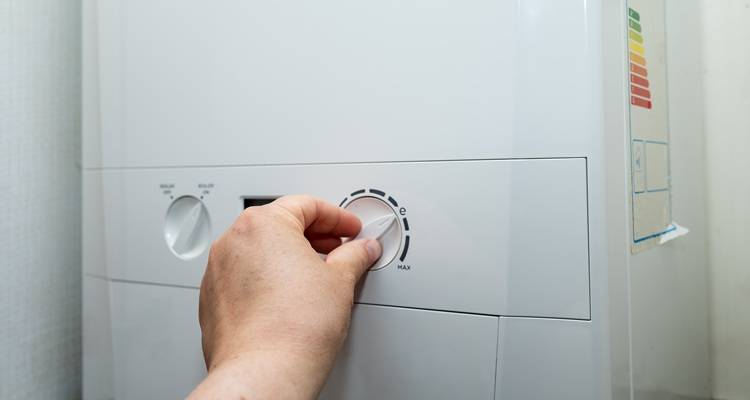
The price can depend on the level of work required, the make and model of the boiler, and the difficulty of the job. In some cases, your home may require upgrades in order for it to become hydrogen-ready, and this will result in some additional costs.
Hydrogen Boiler Prices
Below is a list of the typical prices that you can expect to pay for a hydrogen boiler, depending on the boiler type:
| Boiler Option | Typical Supply Price | Typical Installation Price |
|---|---|---|
| Combi boiler | £700–£2,000 | £1,000–£2,200 |
| System boiler | £800–£2,500 | £1,400–£2,500 |
| Conventional boiler | £900–£3,200 | £1,600–£3,000 |
Want a custom price?
Post your job
The above costs are estimates and may vary depending on the type, model and manufacturer of the boiler, as well as the complexity of the job at hand.
Labour Costs and Timescales
The labour costs can make up a significant portion of the total installation costs. A Gas Safe registered engineer will usually charge around £200 to £300 per day.
The total labour costs that you can expect to pay for a straight swap (supply and fit with minor pipework) are around £600 to £1,500. This typically includes safety checks and Gas Safe sign-off as part of the commissioning process. However, this can vary, depending on the complexity of the job, as some properties may be more difficult than others.
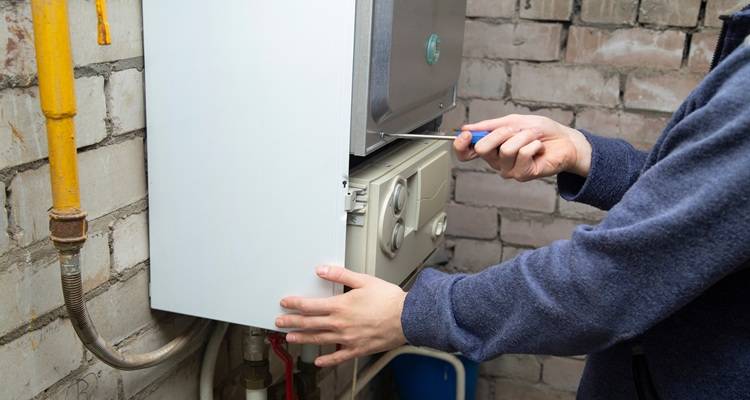
For more complex installations where things like ventilation work and flue changes may be applicable, you can expect to pay more. This can increase the costs to £2,000+.
Installation will typically take around 1 to 3 days to complete, depending on access and the extent of the system changes that are needed.
Are hydrogen gas boilers common?
"They are not common. They are starting to get fitted in certain areas in the UK. They are the future, though."
Hydrogen installations may require engineers with specific training. Early specialist contractors may charge a premium for their services. When choosing an engineer, always make sure to confirm their Gas Safe registration and their experience with hydrogen installations. Once installed, it's also recommended to have your boiler serviced annually to keep it running efficiently.
Supply Costs for Hydrogen Boilers
To run your heating on hydrogen, you will need to have a hydrogen-ready boiler unit, which is still relatively new to the market, resulting in higher supply prices.
When you are budgeting for fitting a hydrogen boiler, you may need to consider some additional supply costs as well as the boiler unit itself.
Take a look at the list below for some examples of supplies that you may need to budget for:
- Hydrogen-ready boiler unit – This usually costs £700 to £3,200.
- Compatible pipework or updated controls (if needed) – You can usually expect to pay £150 to £400 for these.
- Hydrogen detectors or extra safety kit (if recommended or required) – You can usually expect to pay £100 to £300 for these.
- Upgraded thermostatic controls / smart systems – These are great for added efficiency and will usually cost around £100 to £400.
If you choose to buy your hydrogen boiler early while production is still small, you can expect to pay higher prices. As the production increases, it is expected that you will pay prices that are more closely aligned with existing gas boiler prices.
Additional Costs of Installing a Hydrogen Boiler
In addition to the supply costs and the installation costs, there are some other costs that you may need to factor into your budget.
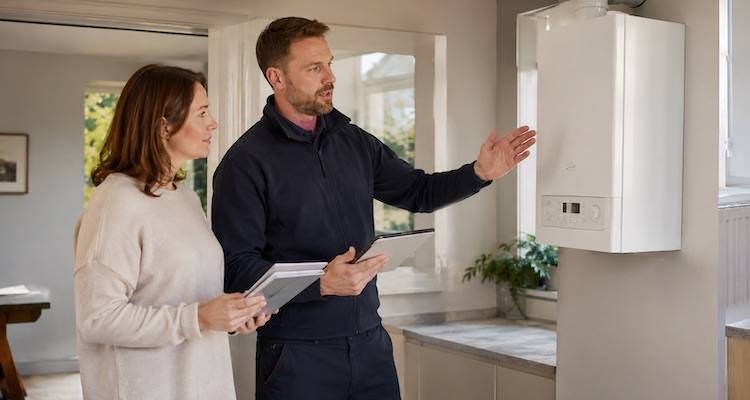
Below is a list of the additional costs that may come up when getting a hydrogen boiler installed:
- System conversion/pipework adjustments – This will usually cost around £400 to £1,500+. The costs here can vary greatly depending on your property.
- Old boiler removal and disposal – Depending on the type of boiler and the complexity of the job, this will usually cost around £150 to £500. For a full breakdown, see our guide on boiler installation costs.
- Flue upgrades or added ventilation – This will usually cost around £150 to £500.
- Smart heating controls – This will usually cost £100 to £400.
These costs will depend on whether your property needs any adaptations in order to be hydrogen-ready, and whether any extra building work is necessary. It’s best to include these costs in your budget and request itemised quotes so that you can compare the price and scope of the job.
Cost Factors for Hydrogen Boilers
If you are considering investing in a hydrogen boiler, there are certain cost factors that you may need to consider. These variables can influence the total amount that you will spend on the investment.
Take a look at the list below and keep these in mind when budgeting for your hydrogen boiler:
- New build vs retrofit (retrofit typically costs more).
- Local labour rates and engineer experience.
- Whether the area is hydrogen-trialled (this will affect availability and support).
- Access and additional ventilation or flue works.
- Your chosen brand/model (warranties, capacity, and features can all affect cost).
It’s a good idea to get at least two or three itemised quotes from engineers and check what each includes (supply, labour, removal, commissioning, warranty).
Running Costs of a Hydrogen Boiler
The running costs of a hydrogen boiler are still uncertain, as hydrogen is not yet widely supplied to UK households. In the early years of rollout, hydrogen fuel costs are estimated at around £0.15 to £0.20 per kWh, roughly two to three times the price of natural gas per unit.
These costs are expected to decrease as hydrogen becomes more widely available. Factors such as the hydrogen production method (green hydrogen tends to be costlier than blue hydrogen), government subsidies, and supplier pricing structures will all influence the running costs over time.
Government Grants and Schemes
There is currently no universal grant scheme for hydrogen boilers in the UK. The main government schemes, such as the Boiler Upgrade Scheme, predominantly support heat pumps. However, this may change in the future as hydrogen boilers become more common and widespread.
- Government trials – the government has been running pilot projects, including HyDeploy blends and the H100 Fife trial. Some participants have received free or subsidised equipment as part of these programmes.
- Future policy – a decision on the wider role of hydrogen in home heating was originally scheduled for 2026, but this has been delayed. The government plans to assess the latest evidence before consulting further.
- Staying informed – if you are interested in future schemes, monitor local council announcements and hydrogen trial programmes for possible support.
Types of Hydrogen Boilers
Hydrogen-Ready Boilers
How it works: Installed now, runs on natural gas today but is designed to be converted to hydrogen or run on low-blend hydrogen in the future.
Pros:
- ✔ Futureproofing with minimal disruption today.
- ✔ Often priced similarly to modern gas boilers.
Cons:
- ✖ Not zero-carbon until hydrogen supply is available.
Typical price (installed): £2,000 to £3,500
100% Hydrogen Boilers
How it works: Designed to run entirely on hydrogen fuel. Currently, there is limited availability in the UK beyond trials.
Pros:
- ✔ Zero direct CO2 at the point of use.
Cons:
- ✖ Higher upfront cost and limited practical use until hydrogen networks are available.
Typical price (supply): £3,000+
Hybrid Hydrogen Systems
How it works: Combines a hydrogen-capable boiler with low-carbon technologies (e.g. a heat pump).
Pros:
- ✔ Flexibility and potential running cost optimisation.
Cons:
- ✖ Higher installation complexity and cost.
Typical price (installed): £4,000 to £8,000
The Benefits of Hydrogen Boilers
The main benefits of hydrogen boilers include lower carbon emissions, compatibility with existing heating systems, and the potential to reduce energy bills.
- Lower carbon emissions – hydrogen boilers produce only water and heat, reducing your home's carbon footprint.
- Energy efficiency – hydrogen-ready boilers offer reliable heating and hot water, with the potential to lower energy bills.
- Renewable energy source – hydrogen can be produced from renewable energy sources, making it a greener long-term choice.
- Compatible with existing systems – most hydrogen-ready models work with existing heating systems and radiators, so a full replacement is unlikely.
- Government-backed – the UK government is actively supporting the shift to low-carbon heating, and hydrogen boilers are expected to become more widely available and affordable.
How Hydrogen Boilers Work
Hydrogen boilers work pretty much like any other gas boiler you've seen before, except for one key difference: what they use for fuel. Rather than running on natural gas, they run on hydrogen gas. When you burn hydrogen in the boiler's combustion chamber, it combines with oxygen to produce heat and water vapour, which produces zero carbon emissions, unlike burning fossil fuels.
The basic idea is pretty simple: you feed hydrogen gas into the boiler, where it gets lit and burns to make heat. That heat is then passed on to water, giving you hot water to run your central heating and taps. Just like with any other boiler, the hot water is circulated through radiators or stored in a tank.
Some of the big boiler makers are now producing hydrogen-ready boilers. These systems can run on natural gas now, but can easily be converted to operate on 100% hydrogen in the future. So, if you're a homeowner looking to switch from your current gas boiler, you can get a boiler that's ready for the future, even while the UK's hydrogen network is still being built and expanded.
Ask a Trade
Got a question that only a tradesperson can answer? We have thousands of trades ready to answer any question you may have.
Ask your question

Hydrogen Infrastructure and Availability
Hydrogen is not yet available to most UK households. Earlier blended-hydrogen trials (HyDeploy) tested lower hydrogen blends in parts of Gateshead and other sites. Larger demonstration projects, such as H100 Fife, are running or being commissioned to test 100% hydrogen networks for a small number of homes.
The government paused or postponed some broader town pilots and planned to make a decision on hydrogen’s role in heat in 2026, so nationwide availability is not expected until later in the decade.
Before investing in a hydrogen boiler, check whether:
- Your area is part of a hydrogen trial.
- Your system is fully hydrogen-ready.
- Hydrogen boilers are mainly future-proofed installations at this stage.
Alternative Types of Hydrogen Heating
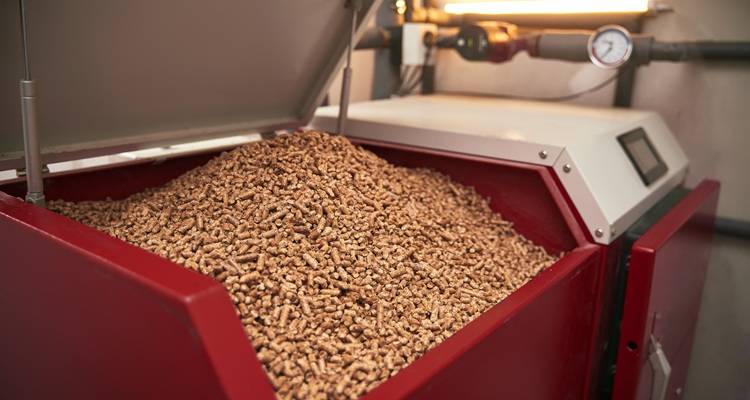
If hydrogen is unavailable in your area or if you would prefer other low-carbon options, there are several different boiler systems that you could consider. Take a look at the list below for the best alternatives:
- Electric Boilers – These are simple to install and have no flue. The installation is quick and not very disruptive, but they often have higher running costs for whole-home heating.
- Heat Pumps – These are highly efficient. They don't emit carbon directly when running, but they have high installation costs and may need property upgrades.
- Biomass Boilers – These are suitable for rural homes and run on renewable fuel. The only con here is that there is bulk fuel storage and ongoing maintenance required.
- Solar Thermal Systems – These are good for hot water supplementation and have low running costs. However, they are weather-dependent and need a backup.
Each of the above options has different implications for price, running costs and practicality. Weigh the pros and cons here against the hydrogen route for your property and budget.
Hydrogen Boilers vs Heat Pumps
Heat pumps are another popular low-carbon option for homeowners looking to reduce their carbon footprint. Here's how the two compare.
Choose a hydrogen boiler if:
- You want a lower upfront installation cost (£2,000 to £5,000 compared to £7,000 to £11,000 for an air source heat pump).
- Your home already has a gas boiler and radiator system, as hydrogen boilers are designed to be compatible with existing setups.
- You prefer a boiler that operates in a similar way to your current gas boiler.
Choose a heat pump if:
- You want a system that is widely available and ready to install now.
- You want to take advantage of the Boiler Upgrade Scheme, which offers up to £7,500 towards installation.
- You're planning a longer-term investment, as heat pumps typically last 15 to 25 years.
Hiring Contractors Checklist for Hydrogen Boiler Installation
Before you go ahead and hire a tradesperson to fit, install, replace or remove a boiler, you will need to consider some things:
- Are they Gas Safe Registered?
- Have they installed hydrogen-ready boilers before? Ask for references.
- Can they provide detailed quotes including supply, labour, and additional costs?
- Will they handle system upgrades or arrange subcontractors?
- Is ongoing maintenance or a service plan included?
- Do they state warranty terms and who provides aftercare for hydrogen-specific components?
Always make sure to get multiple quotes, check online reviews, and trade accreditation.
Removing Existing Boiler: Considerations and Costs
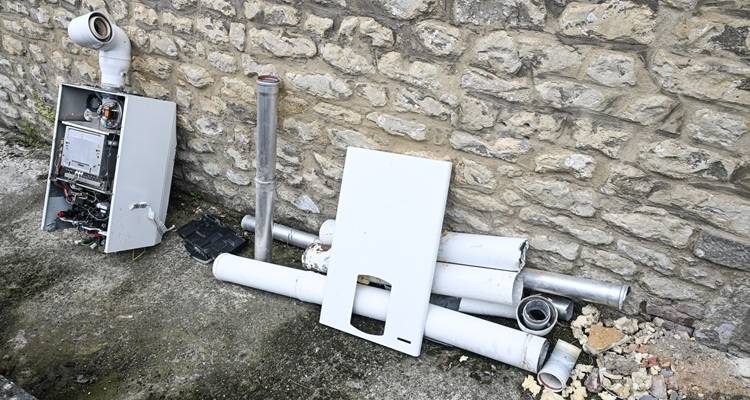
Removing an existing old boiler to install a hydrogen-capable unit usually involves the following:
- Removal and disposal – This will usually cost around £100 to £400.
- Minor pipe or wall repairs after removal - Depending on the extent of the repairs, this could cost around £50 to £250.
- Extra access costs – This may apply in lofts or tight spaces and could add around £50 to £200 onto the cost of the job.
If the existing system is old, you may need to replace valves, controls, or sections of the pipework. This will increase the overall cost of the job and the time required to complete it. If you’re hiring a professional to remove your existing boiler, make sure to obtain an itemised quote so that you know exactly what you are paying for and how much it will cost in total.
FAQs
What Building Regulations Apply to Hydrogen Boiler Installations?
Hydrogen boilers must comply with existing building and safety regulations, and all installers must be Gas Safe Registered. The specific requirements will become clearer as hydrogen boilers become more widespread, so check with your installer whether building control notification is needed.
Can I Install a Hydrogen Boiler as a DIY Job?
No, you can't. Installing, commissioning, or modifying gas or hydrogen appliances must be carried out by a Gas Safe Registered engineer. DIY installation is unsafe and illegal, so you must not attempt to install a hydrogen boiler by yourself.
Is a Hydrogen Boiler Cheap to Run in Comparison to Gas?
Not initially. Hydrogen fuel is expected to be more expensive per kWh than natural gas during the early rollout, but costs are predicted to fall as the technology becomes more widespread.
When Will Hydrogen Be Available on the Gas Grid?
National availability is unlikely before the late 2020s or early 2030s. Hydrogen blends are currently being tested in limited areas, and the UK government plans a decision on wider rollout in the coming months.
Are Hydrogen-Ready Boilers More Expensive Than Gas Boilers?
Hydrogen-ready boilers are currently more expensive to install due to limited supply and specialist installation requirements. However, manufacturers have committed to pricing them similarly to standard gas boilers as production increases.
Are Hydrogen Boilers Safe?
Yes, hydrogen boilers are designed to meet the same strict safety standards as conventional gas boilers. They must be installed by a Gas Safe Registered engineer, and regular servicing is essential.
What Is a Hydrogen Ready Boiler?
A hydrogen-ready boiler is a heating system that currently runs on natural gas but can be converted to run on 100% hydrogen when it becomes available. This makes it a practical option for homeowners who want to futureproof their heating system.