Builders
 Carpenters
 Electricians
 Flooring Specialists
 Gardeners
 Handymen
 Heating Engineers
 Painters & Decorators
 Plasterers & Renderers
 Plumbers
 Roofers
 Tilers
 my
myHow Much Does It Cost to Render a House?
At a Glance
- The average cost to render a house is £5,000 in the UK.
- It typically takes 7 to 10 days for a professional renderer to complete a rendering project.
- NEW! Use our house rendering cost calculator for an instant estimate.
- A breakdown of rendering material costs, as well as how much the total rendering price is impacted by the cost of labour.
- How long rendering takes, as well as a general overview of the rendering process.
- How to find and hire a local house renderer using MyJobQuote.
Get free estimates
Are you a trade? Get more work today!
Looking to find out how much rendering costs?
You're in the right place:
In this guide, we cover everything you need to know about house rendering prices.
This includes the rendering cost per m² for different types of rendering material, how much you should expect labour to cost for different-sized houses, FAQs, and more.
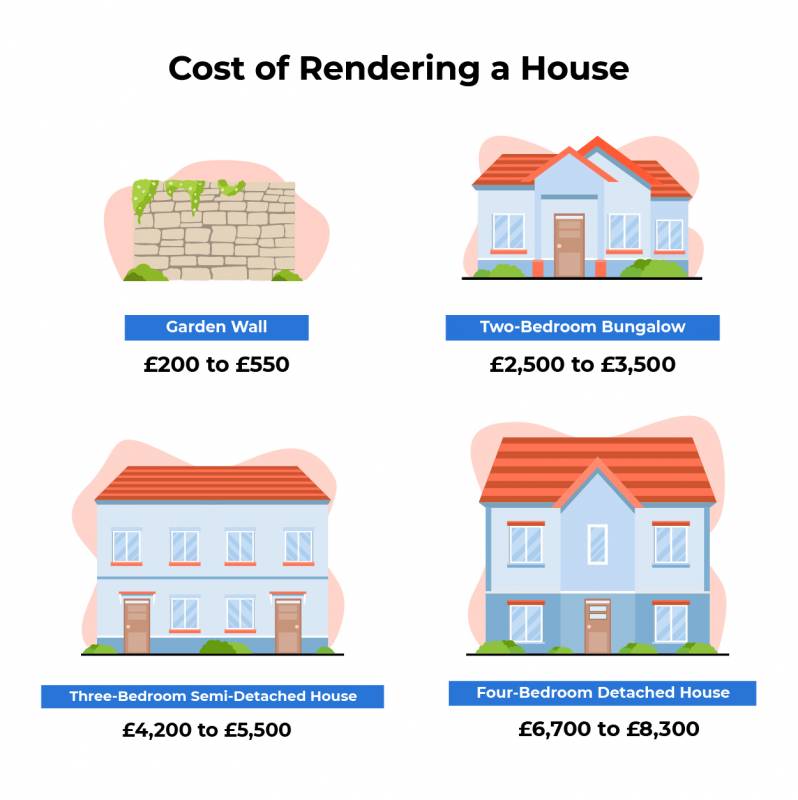
Before then, here's a quick look at what you can expect the house rendering cost to be for different-sized houses. This assumes you're using standard materials and paying for a professional to handle the installation.
Want to get an estimate for your house rendering project?
Get free, no-obligation quotes from house renderers near you with MyJobQuote. We take the pain out of getting started with projects like this.
But if you want to learn more?
Scroll down to find our new house rendering cost calculator, or keep reading to learn more about rendering house costs.
Let's get started!
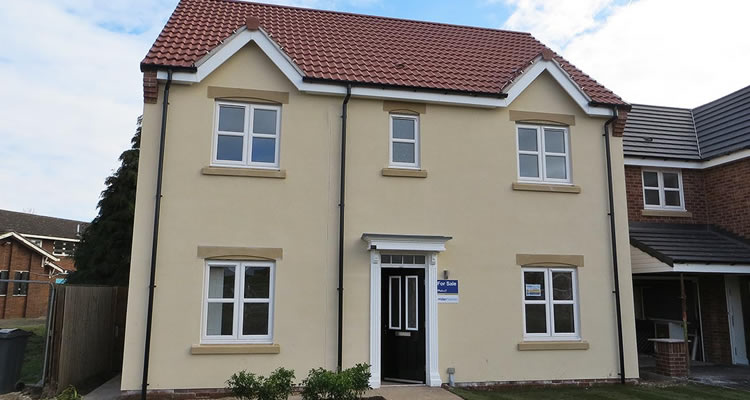
£5,000
Table of Contents
- How Much to Render a House?
- How Much Does Rendering Cost in Labour?
- Render Prices (Supply Only)
- How Much Does Render Removal Cost?
- What Impacts the Cost of Rendering a House?
- Choosing a Brand of Render
- When Can You Paint Render?
- Why Do You Need House Rendering?
- Pros and Cons of Rendering
- What's Involved With Rendering a House?
- Are My Walls Suitable for Rendering?
- Render Repair Cost
- How Much Does Render Cleaning Cost?
- Alternatives to House Rendering
- Checklist: Hiring a Contractor to Render a House
- FAQs
How Much to Render a House?
Let's get straight into it:
How much does it cost to render a house in 2026?
House rendering costs range from about £2,000 to upwards of £8,000.
This is a wide range, as the cost of house rendering is largely dependent on the size of the property being rendered, with the average bungalow rendering cost being significantly lower than using the same material on a detached property.
To give a ballpark estimate for render costs per square metre...
In the UK, the average cost of rendering per m² is around £38. This is based on an average, mid-range render material.
Let's see how that price stacks up when we contextualise it against the property type and size:
Full House Rendering Prices
| Size of Property | Rendering Cost | Duration |
|---|---|---|
| 2 bedroom bungalow (basic lime or cement render) | £2,500–£3,500 | 4 to 6 days |
| 3 bedroom semi-detached house (basic lime or cement render) | £4,200–£5,500 | 6 to 9 days |
| 4 bedroom detached house (basic lime or cement render) | £6,700–£8,300 | 7 to 14 days |
Want a custom price?
Post your job
So, while the cost to render a 2-bedroom bungalow is between £2,500 to £3,500, the price to render a 4-bedroom detached house would be between £6,700 to £8,300.
But, how much to render the front of your house only?
Let's take a look:
Cost of Rendering Front of House
The cost to render the front of a house is less than rendering the full house, but higher per square metre than rendering the full house due to the preparation and clear-up requirements being similar.
| Size of Property | Rendering Cost | Duration |
|---|---|---|
| 2 bedroom bungalow (front elevation only) | £1,600–£3,150 | 2 to 3 days |
| 3 bedroom semi-detached house (front elevation only) | £2,600–£5,400 | 3 to 5 days |
| 4 bedroom detached house (front elevation only) | £3,900–£8,100 | 4 to 7 days |
Want a custom price?
Post your job
Here's a closer look at how material costs impact those figures.
House Rendering Cost by Material
An essential factor that can't be overlooked is the impact that using different types of rendering material has on the total cost of house rendering.
Let's look at the base material costs for different types of house render, and how they relate to different property sizes:
| Type of Render | Bungalow (100m²) | Semi-detached House (200m²) | Detached House (300m²) |
|---|---|---|---|
| Lime | £2,500–£3,000 | £5,000–£6,000 | £7,500–£9,000 |
| Cement | £1,500–£2,000 | £3,000–£4,000 | £4,500–£6,000 |
| Pebbledash | £3,500–£4,500 | £7,000–£9,000 | £10,500–£13,000 |
| Polymer | £4,000–£5,000 | £8,000–£10,000 | £12,000–£14,500 |
| Acrylic | £4,000–£5,000 | £8,000–£10,000 | £12,000–£14,500 |
| Monocouche | £4,500–£6,000 | £9,000–£12,000 | £13,500–£16,500 |
| Tyrolean | £3,000–£4,700 | £3,500–£5,500 | £4,900–£7,700 |
| Brick Effect | £3,500–£6,000 | £7,000–£12,000 | £10,500–£18,000 |
| Paint | £1,200–£1,800 | £2,400–£3,600 | £3,600–£5,000 |
Want a custom price?
Post your job
As you can see:
- Cement render material prices are around £10 to £15 per m², which makes them the lowest cost option.
- Monocouche render material prices are around £45 to £55 per m², which makes them the premium option.
These material price differences can make a substantial difference to the affordability of rendering larger houses, with the cost of a monocouche rendered detached house costing around £9,000 to £10,500 more than if you used a cement-based material.
What about wall rendering costs?
To break these costs down a little more, let's consider a typical external wall on a bungalow, semi-detached, and detached property with basic cement or lime render:
- External bungalow wall (25m²) — £1,650 to £2,250.
- External semi-detached wall (35m²) — £2,300 to £3,150.
- External detached wall (45m²) — £2,950 to £4,050.
This gives us an average external wall rendering cost of £1,600 to £4,050.
Looking for a bespoke price estimate for your house rendering project?
Try out our free and easy cost calculator to get a quick cost for your job:
Rendering Cost Calculator
How Much Does Rendering Cost in Labour?
Labour costs are usually one of the most important factors to consider when planning home renovations like rendering.
You should expect to pay around £130 to £250 per day for a rendering specialist, with fees increasing in areas such as London and the South East due to the higher cost of living.
Which type of render are you using to render your house?
Mineral renders (Lime/Cement)
0 votes - 0%0% of votes
Modified cement render (Polymer)
0 votes - 0%0% of votes
Synthetic renders (Acrylic)
2 votes - 67%67% of votes
Monocouche render
0 votes - 0%0% of votes
Other (e.g. Paint/Pebbledash)
1 votes - 33%33% of votes

3 votes
See results
Hide results
When employing a qualified tradesperson, you'll also benefit from a discount on materials, depending on the job size. This can drastically reduce the overall cost of the project and offset part, if not most, of the cost of the labour itself.
The average house rendering job will run between 7 to 10 days, although this can vary significantly depending on:
- Property size — Larger properties will take longer, sometimes up to 14 days.
- Render type — More complex materials increase the job duration.
- Weather — Wet weather may delay the job, but on a hot day, some modern acrylic renders might be touch-dry within a few hours.
What is the average cost to re-render an end terrace house?
"The average cost would depend on what type of render mix you wanted to use, how large the surface area is, and how much prep work would need to be done. The cost of using sand and cement mix with little prep would range from £25-£35 per m² and the cost of using acrylic and silicone mix with little prep you would expect to pay between £50-£70 per m²."
Render Prices (Supply Only)
In the UK, house rendering costs typically range between £10 and £35 per m² depending on the material used and the condition of the wall surface:
| Render Type | Typical Cost per m² |
|---|---|
| Lime Render | £25–£30 |
| Cement Render | £15–£20 |
| Pebbledash / Roughcast | £35–£45 |
| Polymer Render | £40–£50 |
| Acrylic Render | £40–£50 |
| Monocouche Render | £45–£55 |
| Brick Effect Render | £35–£60 |
| Masonry Paint | £12–£18 |
Want a custom price?
Post your job
Lime Render Cost
The lime render cost per m² is between £25 to £30.
Lime render is the best option when you're looking for a breathable, flexible, and damp-proof solution. It's also suitable for older properties, as it fits their period aesthetics.
Cement Rendering Cost
The cement rendering cost per m² is around £15 to £20.
Cement rendering is the modern industry standard for external wall rendering.
The affordability of cement render materials is a significant factor in its popularity.
But before selecting this material, it is worth considering that cement render can require multiple coats (increasing the total cost of rendering a home). It also requires painting to maintain a neat appearance.
Pebble Dash Render Cost
The cost to pebble dash a home per m² starts at around £35.
The finish of the render is a critical consideration.
Pebbledash and roughcast renders are when a coarse medium (small pebbles or gravel) is applied to the base coat. This provides the property with increased resilience to weather and gives a unique texture.
Other types of aggregates, when used in place of pebbles, create an even more unique finish. Modern equivalents even increase the insulation properties of the render itself, too.
Which type of exterior render gives you the smoothest finish?
"A smooth finish – also known as a traditional, sponge, or float finish – is achieved by smoothing down a base coat render with a sponge float and coating with an external quality paint."
Polymer Render Cost
Polymer render costs per m² starts at around £40.
Polymers are plastics that, when added to a render base, can reduce the risk of cracking in the future.
This also has the added advantage of having the colouring built in, allowing you to avoid the cost of painting your house after the rendering itself has been completed.
Acrylic Render Cost
The acrylic rendering cost per m² starts at around £40.
Acrylic render is used as a final topcoat over existing render (or new render that you've applied).
Usually, a silicone-based substance is included in the render to reduce the amount of future cleaning required. However, this would substantially increase the cost of acrylic render.
Monocouche Render Cost
Monocouche render cost per m² starts at around £45.
Monocouche render consists of just a single coat.
It's a cement-based render that comes ready to mix with water, which is then usually sprayed onto the property.
It's by far the most expensive rendering choice. However, the increased material costs are offset by the fact that it takes a professional less time to apply and lowers long-term maintenance obligations.
Brick Effect Render Cost
The average cost of brick effect render is between £35 and £60 per m².
As the name suggests, this type of render mimics the look of real bricks. This is a cost-effective way to upgrade your home's exterior or match existing brickwork.
Brick render can be useful to give the impression of an authentic brick wall at a distance, at a fraction of the cost of traditional bricklaying.
External Paint Costs
The average cost of painting a house exterior with masonry paint per m² is between £12 to £18.
With the multitude of masonry paints available on the market, it's not just the choice of colours that needs to be considered. The decision of finished texture, weatherproof rating, and coats required also involves careful consideration.
All these factors can reduce or increase the final cost of the job.
This means that a small-sized two-bedroom semi-detached house (about 80m²) would require between £960 and £1,450 worth of masonry paint.
As part of landscaping project, we had new raised plant beds built using grey blocks which were rendered using sand and cement with appropriate additives then painted. The edges of these beds where beads were put are now showing signs of rusting that are gradually appearing and growing through the whole length of the beads. Can you advise probable cause and potential remediations?
"I think the metal beads they have used may be damaged or scratched, which has caused them to rust. This unfortunately can’t be treated and will continue to rust. I would have used PVC beads which are used for most modern rendering and had a silicone render application as you don’t have to paint it."
How Much Does Render Removal Cost?
Already have existing render on your exterior walls?
You'll need it removed before your new render is installed. The average pebbledash removal cost is around £4,500, and the average cost to remove render is between £900 and £1,600.
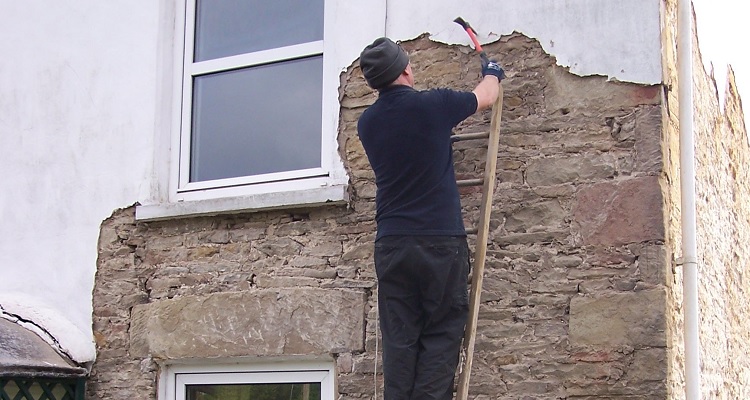
Removal costs will fluctuate depending on:
- The type and current condition of rendering being removed.
- The size and location of your property.
You can expect it to take anywhere between 1 and 14 days to have the existing rendering removed, with pebbledash taking considerably longer than other types of render.
If the removal process uncovers damage, this will need to be dealt with before the wall can be rendered again. This can mean the job takes longer, and the total cost will be higher.
What Impacts the Cost of Rendering a House?
As well as the type and size of property, the cost of rendering can vary depending on the following:
- Scaffolding — If your property is tall or difficult to access and scaffolding is needed, costs will be much higher than for an easily-accessed single-storey property where scaffolding is not required.
- Type of Render — The type and brand of render that you choose will also impact the final price, with cement and lime renders costing considerably less than polymer or monocouche, for example.
- Wall Condition — If the walls are in poor condition (for example cracked or needing repointing), costs will be higher than walls that are already in decent condition and ready to render.
- Finish — Whether you want a smooth or patterned finish can change how much your final quote is.
- Preparation — Removing old render will add to labour costs as it can be time-intensive.
- Waste Removal — Check whether your quote includes waste removal, or you may have to hire a skip at an additional cost.
- Painting — Some types of render require painting after application, which can increase costs considerably, particularly on larger properties.
- Location — As with many jobs, costs in London and the South East are typically higher than in northern parts of the UK.
Choosing a Brand of Render
There are several brands of render considered high-quality that are favoured by many rendering specialists.
Each manufacturer makes a variety of render types, and prices vary depending on the type and finish you want. Choosing a high-end brand can significantly impact your house rendering price.
Let's take a closer look at this:
K Render Cost
K Rend is the UK's largest independent coloured silicone render manufacturer.
They offer two products: silicone thin coat and silicone scraped texture.
Both are available in a variety of colours and save you the job of painting any render after it has been applied.
K Rend is known to last longer than traditional sand and cement render as it doesn't crack, stays clean, is waterproof, and requires no maintenance.
It is more expensive than traditional render, but the benefits seem to outweigh the drawbacks.
The cost of K Rend silicone render is around £50 per m².
Parex Render Cost
Parex offers a range of different renders, including monocouche, silicone and acrylic renders.
You can expect the cost of Parex render to be between £20 to £60 per m².
Weber Render Cost
Weber has an assortment of renders available, from traditional products to more modern styles. One specific product of note is their one-coat pebbledash render that can save a significant amount of time and money.
The cost of Weber rendering products ranges between £25 to £65 per m².
When Can You Paint Render?
Once your wall has been rendered, you may want to paint it.
The time until it's ready to paint depends on the weather and the type of render you've used. Most renders will not dry in wet weather, but polymer and acrylic may (it depends on the specific render used).
The table below approximates when your render will be ready to paint.
| Type of Render | Cold Weather (Below 7°C to 16°C) | Warm Weather (17°C to 25°C) |
|---|---|---|
| Lime | 4 to 7 days | 2 to 4 days |
| Cement | 5 to 8 days | 2 to 5 days |
| Pebbledash | 5 to 9 days | 3 to 6 days |
| Polymer | 3 to 5 days | 1 to 3 days |
| Acrylic | 3 to 5 days | 1 to 4 days |
| Monocouche | 5 to 10 days | 4 to 6 days |
Want a custom price?
Post your job
Why Do You Need House Rendering?
There are many reasons why homeowners choose to render their properties:
- Weather Resistance — External rendering is applied to increase the weather resistance of a property, which helps to reduce the cost (and difficulty) of maintenance required.
- Damp Prevention — The outer layer of a house, if built of brick, is actually quite porous. Without a render or glaze layer, it will end up absorbing moisture from the air, resulting in damp penetrating the building with ease. Render is the best solution to minimise the amount of moisture that is absorbed by the brickwork. The cost of treating rising damp starts at around £3,250, so rendering is often a cost-effective preventive measure.
- Insulation — Some types of modern renders also have various additives within the formulations that improve a property's insulation. This not only saves money (lower heating costs) but also lowers the environmental impact of your home (less fuel consumption).
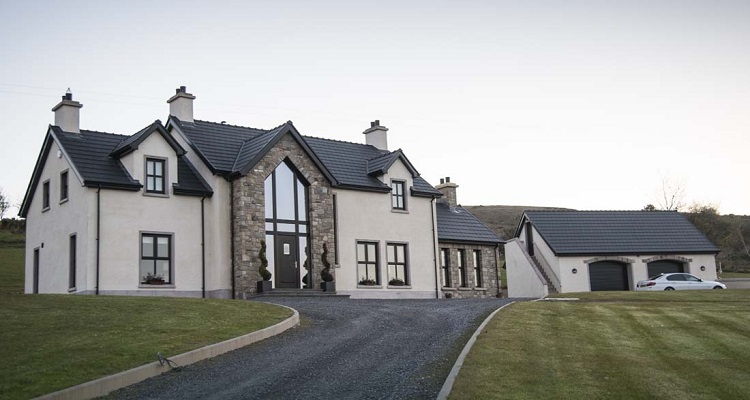
Pros and Cons of Rendering
There are both pros and cons of rendering your property:
Pros of House Rendering
- Variety of Renders — There are plenty of colours, finishes, and effects to choose from, with basic to premium options to suit any budget.
- Cost-Effective Aesthetic Harmonising — Rendering lets you cover mismatched brickwork, cracks, stains, and all manner of unsightly marks that might be making your home stand out for the wrong reasons.
- Protection from the Elements — House rendering provides a direct defence against moisture, dampness, and mould.
Cons of House Rendering
- Maintenance Requirements — Render requires regular maintenance to avoid possible weathering issues, such as cracking and peeling of the paint's topcoat.
- High Up-Front Cost — The rendering cost can be a substantial outlay for a homeowner, and the return on this investment in the property can be low.
- Restrictive Covenants — Your property may require permission to install wall rendering, and the style or colours you can use may be limited.
What's Involved With Rendering a House?
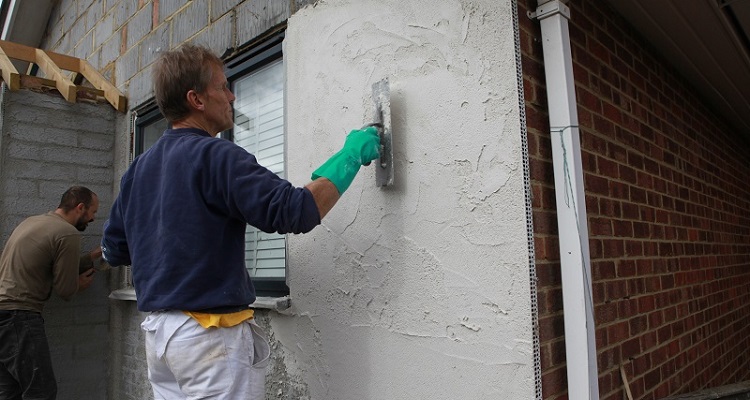
Rendering your home is often not something homeowners should attempt as a DIY job, as it requires working at height and must be applied carefully to ensure a smooth finish.
With MyJobQuote, you can compare quotes from rendering contractors near you to easily find a tradesperson to render your house with your chosen finish. Here's a look at the typical process they will follow when doing the job.
Before the Job
- Wall Preparation — It is extremely important for a building to have its exterior walls prepared before any rendering is applied. This includes having the structural stability assessed and any repairs made to the brickwork.
- External Feature Preparation — Features such as alarm boxes, drainpipes, and weather flashings will need to be removed. This includes around every door and window frame.
During the Job
- Insulation — If agreed, the contractor will apply a base external wall insulation layer before your chosen render. This usually takes the form of sheets or block cladding.
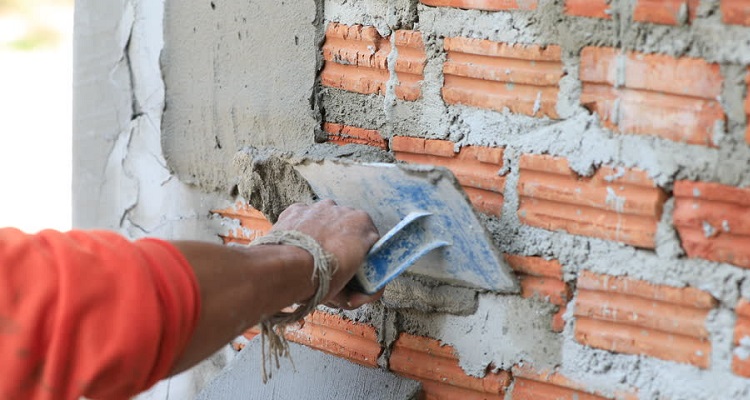
- Render Application — A render mesh (usually a type of special fabric) is used by embedding it into the first layer of render applied. The number of layers of render applied will vary depending on the materials chosen and the desired result. Some may include polymer cement, silicone or acrylic.
- The Finish — If your render has a modern resin base, it often comes pre-coloured. If you are not using pre-coloured render, you may also decide whether you desire a smooth or textured finish.
After the Job
- Final Touches — Once the render has cured and the paint has dried, the contractor will reattach the drainpipes and external features they removed from your walls.
- Waste Removal — If agreed in your quote, waste removal and final clearing up will also be taken care of at the end of the job.
Ask a Trade
Got a question that only a tradesperson can answer? We have thousands of trades ready to answer any question you may have.
Ask your question

Are My Walls Suitable for Rendering?
The best way to know if your house can be rendered is to hire a surveyor or ask a tradesperson who is quoting for the job.
If however, you plan to do the job yourself, then consider these points:
-
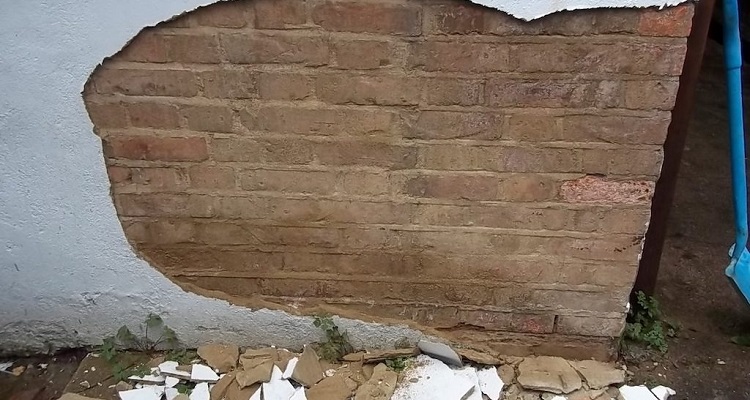
Is there erosion or weather cracks? You will have to fix these before applying any form of render to the exterior walls.
-
Is there existing render? If a wall already has an old coat of render, this will need to be removed first, and the wall cleaned before new materials are applied.
-
Is the wall painted? If there's paint on walls (depending on its quality, age, and type), it can often be cleaned before new render is purchased and applied.
One of the main considerations when deciding if the render will result in a good-quality finish is the structural condition of the walls.
As render is usually a hard, inflexible layer, it requires structurally stable walls. Any movement within the wall once the render has been applied will result in a cracked and poor finish.
Because of this, it's always advisable to have a qualified professional survey the stability of the walls before you invest any money in rendering your house. This is less likely to be needed in newer homes, but in older builds, it becomes increasingly necessary as the property ages.
The average cost of a house survey in the UK is £625.
Render Repair Cost
Noticed any of the following on your property's render?
- Isolated cracks
- Missing chunks
- Discolouration
Render repairs are quick and easy, and cost-effective when compared to a complete house re-render.
I have some areas of render which is coming off. Does it all have to be re-rendered, or could it be repaired? I feel that a builder wouldn’t want to repair it, and therefore it would be a costly job to have the front and side of the house re-done.
"Run a hammer over all of the render still attached. If it sounds hollow, I’d take it all off. If it’s more hollow than not, it’s not worth saving. If it sounds pretty solid over 70% of the existing render then patch work would work, but it never really looks good but will do the job."
The cost of render repair is around £15 per m² for basic cement render. The price increases to between £40 to £50 per m² for rendering repairs that use modern acrylic and polymer renders.
Discolouration is often the simplest fix, costing around £20 per m², and usually involves cleaning the render and reapplying a coat of paint to match the other non-discoloured areas.
| Type of Render | Patch Repair of 5m² | Patch Repair of 10m² |
|---|---|---|
| Lime | £125–£150 | £250–£300 |
| Cement | £75–£100 | £150–£200 |
| Pebbledash | £175–£225 | £350–£450 |
| Polymer | £200–£250 | £400–£500 |
| Acrylic | £200–£250 | £400–£500 |
| Monocouche | £225–£275 | £450–£550 |
Want a custom price?
Post your job
Some homeowners choose the DIY route for render repairs. However, depending on the size and location of the patch, it might work out simpler and cheaper to hire a professional.
How Much Does Render Cleaning Cost?
Not all types of render require the same levels of maintenance and cleaning. However, most will occasionally require a fresh coat of paint.
Fortunately, refreshing the paint is only required every 5 to 10 years.
Here are the costs you need to know:
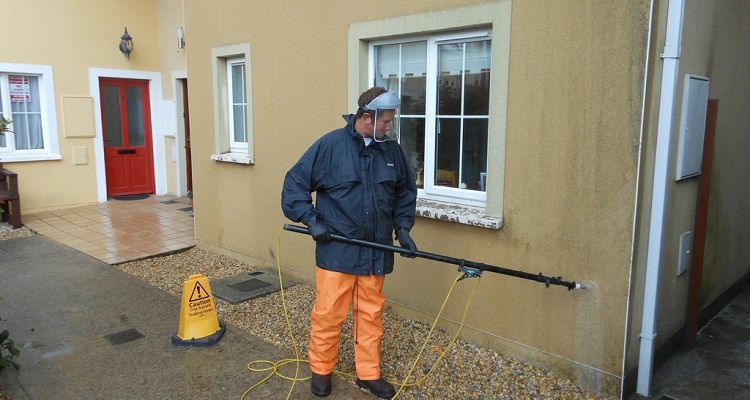
- Cleaning Your Rendered Walls — A good way to increase the endurance of your top layer finish (paint or coloured render) is to have it cleaned once a year. The average cost of cleaning render is £760 for a smaller terraced house, up to £1,250 for a larger detached property.
- Adding a Render Topcoat — Modern forms of rendering, such as acrylic and polymer, will eventually require the topcoat to be reapplied. This is affordable, costing £8 to £15 per m² for a basic refresh.
Alternatives to House Rendering
The two main alternatives to house rendering are:
Painting the external walls of your house.
Installing a cladding system.
The cost of painting a house per m² is between £20 to £40.
Painting your home without proper base protection will not afford the same levels of weather protection as a full house render.
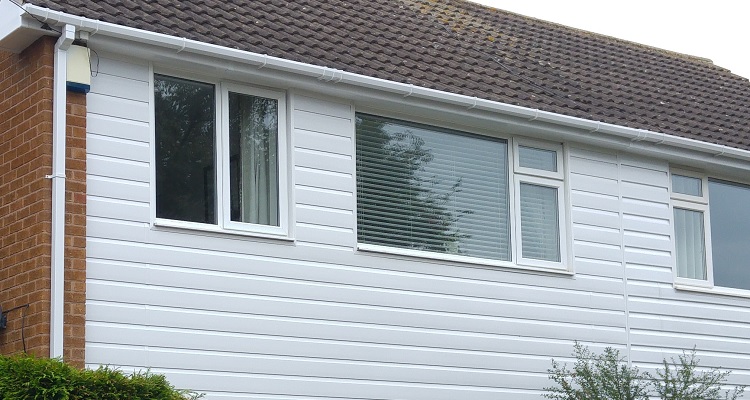
The cost of cladding a house per m² is between £50 to £150 installed.
Simple plastic or acrylic cladding systems tend to be on the lower end of this range. A high-quality wood or metal cladding system will be on the higher end.
While these alternatives might be cheaper than house rendering costs, they have different pros and cons that you should consider.
Checklist: Hiring a Contractor to Render a House
Once you've decided to hire a professional to render your property, the next step is to find the right tradesperson for the job:
-
Local tradespeople are always the best place to start. Using MyJobQuote, you can easily get quotes from 3 local renderers near you. Ask where they trained, what courses they have completed, and what they've specialised in doing.
-
Look out for City and Guilds qualifications. The tradesperson may also have other qualifications and/or awards which demonstrate their abilities.
-
Check their previous house rendering work and the feedback they've received. On MyJobQuote, you can find reviews from homeowners who've used them for jobs before on the tradesperson's profile page. You'll also find pictures of their previous projects on this page.
-
Ask for proof of their liability insurance. This proves that they're insured for any damage they cause to your property.
-
Ensure you have a written agreement for the rendering work. This will provide you and the tradesperson with a clear outline of the job's scope and what costs are included or excluded.
-
Get a written receipt when making any payments. This will protect you from any potential disputes about payment in the future.
FAQs
What Is Pebble-Dash and Roughcast?
They are both forms of render that involve adding pebbles or pieces of stone for extra texture. The difference between them is largely in the application. Pebble-dash tends to be more durable and involves pressing stones onto wet render, while roughcast mixes them in beforehand.
Are Plastering and Rendering the Same Thing?
Although both follow a similar process in principle, the materials used are significantly different. Plastering is also generally associated with internal work, whereas rendering is largely for external walls.
How Do You Prepare the Surfaces for Rendering?
To prepare a surface for rendering, the wall must be thoroughly cleaned to remove loose paint, dust, debris in general and mould, which should be treated with bleach or fungicide. After washing, the wall should be allowed to start to dry. Preparing the surface may already be included within any quotes you receive, although it's best to check first.
My Walls Are Painted. Can I Just Repaint Them and Not Have to Re-Render Them?
If the rendering underneath the house paint shows no signs of damage, you can simply have a professional clean and repaint the surface.
I Like the Exposed Brickwork Aesthetic. Is There Any Way to Render My Property and Keep the Look?
Once a wall has been rendered, you won't visually be able to see the brickwork underneath it. However, glazes are available on the UK market that provide the benefits of rendering (e.g., weather protection) without covering up the brickwork that some people prefer.
Do You Need Planning Permission for House Rendering?
In the majority of cases, planning permission isn't required when rendering a house, as it is considered a permitted development due to coming under routine maintenance or cosmetic improvements. You may need permission if your home is in a conservation area, is a listed building, or if the planned work will significantly change the appearance of your property.
When rendering a house, you must follow Building Regulations to ensure the work meets safety and energy efficiency standards. If your proposed rendering covers more than 25% of the wall, you may need to upgrade the structure of the wall to ensure it meets current thermal requirements.
Can I DIY House Rendering?
Rendering a home is a significant project to take on yourself, and it's usually beyond what the average DIY enthusiast is capable of. Incorrect application can lead to issues and you ending up needing a professional to help you out in the end, so it's best to let the rendering specialists take care of this for you in the first place.
Does Rendering Devalue a House?
When done well, rendering can increase your home's kerb appeal and value. However, caution is required when applying render to period properties, as covering up the original brickwork can make your property less appealing. It's also advised to choose a finish that does not clash with neighbouring properties.
Is It Worth Rendering a House?
Rendering a house is often worth it if your house's exterior walls are damaged or damp, or if you want to freshen it up with a more uniform look. Rendering is also a good opportunity to add additional external insulation to your property, and may increase your home's energy efficiency.