Builders
 Carpenters
 Electricians
 Flooring Specialists
 Gardeners
 Handymen
 Heating Engineers
 Painters & Decorators
 Plasterers & Renderers
 Plumbers
 Roofers
 Tilers
 my
myKitchen Fitting Cost
At a Glance
- The average kitchen fitting cost (labour only) is around £1,700 to £3,000 in the UK.
- A full new kitchen (supply and installation) typically costs £6,000 to £20,000+.
- Installing a new kitchen typically takes about 5 to 10 days.
- NEW! Use our kitchen fitting cost calculator for an instant estimate.
- Kitchen installation, supply, and average labour costs (including kitchen flooring, kitchen units, and more).
- What's involved in kitchen fitting, and how long it takes.
- How to find local kitchen fitters with MyJobQuote.
Get free estimates
Are you a trade? Get more work today!
£10,000
Table of Contents
- How Much to Fit a Kitchen?
- How Much to Fit a Kitchen (Labour Only)?
- Cost of Kitchen Materials
- Additional Kitchen Fitting Costs
- What Affects Kitchen Fitting Prices?
- What's Involved in Fitting a Kitchen?
- What Are the Benefits of Fitting a New Kitchen?
- How to Keep Your Kitchen Fitting Costs Down
- Checklist: Hiring a Kitchen Fitter in the UK
- FAQs
How Much to Fit a Kitchen?
Wondering how much it costs to fit a new kitchen in the UK?
- Kitchen fitting (labour only) typically costs between £1,700 and £3,000, depending on kitchen size and complexity.
- A full new kitchen (units, worktops, appliances, and installation) usually ranges from £6,000 to £20,000+, with bespoke and luxury kitchens exceeding £50,000.
The total cost of a new kitchen in the UK depends on the quality of materials (e.g., ceramic tiles vs. marble tiles), the size of the room, and the complexity of the installation.
What about kitchen installation costs by room size?
As a broad guide, installation costs are as follows:
- Small kitchen (8 to 12m²) — £5,000 to £8,000.
- Medium kitchen (12 to 20m²) — £8,000 to £15,000.
- Large kitchen (20m²+) — £15,000 to £20,000+.
What sort of price should I expect to pay for a new kitchen with an island installed, several cabinets replaced, engineered wood flooring fitted, the walls and ceiling repainted, and the microwave, fridge and dishwasher replaced with up to date, smart versions?
"You should expect to pay labour in the region of £6,000 to £7,000, which would include your electrical changes (additional sockets and fuses), plastering, flooring, kitchen fitting and painting and decorating."
Kitchen Installation Costs
Here's a realistic breakdown of what you can expect for kitchen installation at different budget levels.
| Cost Component | Budget Kitchen | Mid-Range Kitchen | High-End Kitchen |
|---|---|---|---|
| Kitchen Units | £1,500–£2,500 | £3,000–£5,000 | £8,000+ |
| Worktops | £300–£600 (Laminate) | £1,000–£2,000 (Wood/Quartz) | £4,000+ (Premium Quartz/Stone) |
| Appliances | £800–£1,500 | £1,500–£3,000 | £5,000+ |
| Flooring and Tiling | £300–£800 | £800–£1,500 | £1,500+ |
| Labour (All Trades) | £1,500–£2,000 | £2,000–£3,000 | £3,500+ |
| Estimated Total Cost | £5,000–£7,000 | £8,000–£14,000 | £20,000+ |
Want a custom price?
Post your job
Looking for an easy way to calculate kitchen installation costs?
It's quick to get an overall cost with MyJobQuote.
First, get a rough idea of your desired kitchen size:
- Small kitchen (8 to 12m²) — Terraced houses, flats/apartments, older semi-detached houses.
- Medium kitchen (12 to 20m²) — Most common UK kitchen size, found in most 3-bed semi-detached houses.
- Large kitchen (20m²+) — Detached houses, open-plan kitchen/diners, or new build properties.
Then, use our kitchen fitting cost calculator below and get a quote for your dream kitchen to get your project started:
Kitchen Installation Cost Calculator
How Much to Fit a Kitchen (Labour Only)?
The total labour cost is the biggest variable when installing a new kitchen.
Labour costs usually cover removing old units (if agreed), fitting cabinets and worktops, and basic finishing. It doesn't usually include the cost of units/appliances, or specialist work like new electrics, moving plumbing, plastering, or tiling unless quoted separately.
On average, the labour-only cost to fit a standard kitchen in the UK is between £1,700 and £3,000, or up to around 30% of the total cost. On high-end kitchens, materials typically account for more of the total cost, sometimes over 80%.
A kitchen renovation is a process, and it pays to get quotes early, even if you're just weighing up your options. There's no commitment. It simply gives you a clearer idea of the potential installation costs and what to expect.
MyJobQuote can connect you with kitchen fitters in your area who can give you a free, no obligation quote.
Which components are you replacing during your kitchen fitting?
Kitchen units and/or worktops
11 votes - 79%79% of votes
Kitchen appliances
0 votes - 0%0% of votes
Flooring and tiles/splashbacks
1 votes - 7%7% of votes
Plumbing (sink/taps/pipework etc)
0 votes - 0%0% of votes
Complete kitchen refurbishment
2 votes - 14%14% of votes

14 votes
See results
Hide results
How Are Labour Only Kitchen Fitting Costs Calculated?
There are three common ways a kitchen fitter or builder will price your job:
- Fixed Quote — This is the most common and recommended method for a full kitchen installation. The fitter assesses the entire job (from the number of units to the type of worktop), and gives you a single, fixed price for all the work. This is great for you because the price won't change unless you add or remove work later on, giving you complete cost certainty.
- Day Rate — For smaller tasks or projects where the scope is uncertain, a fitter may charge a day rate. This is simply a set price for a day's work, excluding materials. In 2026, the average UK day rate for a skilled kitchen fitter is £200 to £300.
- Cost Per Unit — Some fitters might provide an initial estimate based on the number of cabinets or units they need to install. The price is often between £100 and £150 per unit. This model is typically used for very simple, dry-fit installations and is usually rolled into a final fixed quote for the whole project.
Labour Costs and Timescales
A single kitchen fitter will typically do most of the work, but depending on the size and complexity of the job, additional labour and tradespersons may be needed.
Do kitchen fitters design the kitchen?
"If you are looking for a full design through to installation, most reputable installers would advise, some may simply say 'No, we just fit the kitchen, you'll need your own plumber, sparks etc'.
But most these days would offer a package to take care of design as well as the supply of the cabinetry, worktops, and appliances."
But most these days would offer a package to take care of design as well as the supply of the cabinetry, worktops, and appliances."
The following will show you all the labour expenses and also the durations of the fitting:
| Tradesperson | Average Day Rate (2026) | Typical Time Needed | Estimated Total Cost |
|---|---|---|---|
| Kitchen Fitter / Carpenter | £200–£300 | 4 to 8 days | £800–£2,400 |
| Electrician | £250–£400 | 1 to 3 days | £250–£1,200 |
| Plumber / Gas Safe RegisteredEngineer | £250–£400 | 1 to 2 days | £250–£800 |
| Plasterer | £180–£250 | 1 to 3 days | £180–£750 |
| Tiler | £200–£300 | 1 to 3 days | £200–£900 |
| Flooring Specialist | £180–£250 | 1 to 2 days | £180–£500 |
| Decorator | £160–£220 | 1 to 3 days | £160–£660 |
| Labourer | £100–£140 | 3 to 5 days | £300–£700 |
Want a custom price?
Post your job
How much does it cost typically to fit 6 base units, 6 wall units, 1 built in oven, 1 built in dishwasher flat pack unit?
"This would typically cost around £1,500, depending whether electrics and plumbing having to be altered."
Cost of Kitchen Materials
While labour and associated installation costs are a key expense, the materials you choose will form a large part of your budget.
Here's a breakdown of what to expect for units, worktops, and flooring.
Kitchen Units
The price of your kitchen units is determined by the materials used for both the carcasses (the main body of the cabinet) and the doors. Here are the most common options:
- Chipboard — The most budget-friendly material, constructed from wood particles mixed with resin and pressed together. It's the standard for most affordable kitchens.
- MDF (Medium-Density Fibreboard) — A popular and versatile budget-friendly option. It creates a smooth surface perfect for painted or vinyl-wrapped doors, but it must be properly sealed to ensure it lasts.
- Solid Wood — By far the most durable and long-lasting material. As the premium choice, solid wood is also the most expensive but can last for over 20 years with proper care.
Most people budget by kitchen size rather than by individual cabinet. As a rough guide, here's what you can expect to pay to supply the units for a typical kitchen (excluding worktops, appliances, and fitting):
| Kitchen Size | Budget (Chipboard) | Mid-Range (MDF) | Premium (Solid Wood) |
|---|---|---|---|
| Small (approx. 8 to 10 units) | £1,000–£1,800 | £2,000–£3,500 | £5,000–£7,000 |
| Medium (approx. 12 to 15 units) | £1,500–£2,500 | £3,000–£5,000 | £8,000–£14,000 |
| Large (approx. 18 to 22 units) | £2,500–£4,500 | £5,000–£8,000 | £12,000–£20,000+ |
If you're pricing up cabinets individually, the table below shows typical supply costs per unit by material:
| Cupboard style | Chipboard | MDF | Solid Wood |
|---|---|---|---|
| Single Floor Unit | £65–£75 | £70–£90 | £150–£300 |
| Double Floor Unit | £75–£90 | £90–£120 | £175–£400 |
| Single Over Counter Unit | £50–£65 | £55–£80 | £175–£250 |
| Double Over Counter Unit | £75–£90 | £80–£110 | £200–£350 |
| Free Standing Single Larder | £150–£200 | £175–£250 | £750–£1,500 |
| Free Standing Double Larder | £200–£275 | £200–£280 | £900–£2,000 |
Want a custom price?
Post your job
How much would it cost to relocate the kitchen from the back of the house to the front? It needs full plumbing, sockets, new lighting, worktops, and cupboard doors. A radiator needs removing and tiles for the wall space between the worktop and top cupboards would be needed. There are no walls to knock down, nor is it a listed building.
"This would be between 1 to 2 weeks of work and could cost anywhere in the region of £5,000 to £7,500, depending on runs of electrics and waste pipes and ceiling repairs after light installation."
Kitchen Worktops
Your choice of worktop has a huge impact on both the look and the total cost of your kitchen.

From budget-friendly laminate to premium natural stone, kitchen worktop prices vary significantly:
- Laminate — Laminate worktops are the most budget-friendly, versatile option, and are available in countless colours and finishes.
- Solid Wood — Offers a classic, warm aesthetic but requires regular oiling to prevent water damage.
- Quartz and Granite — Premium, highly durable, and heat-resistant natural stone options that require professional templating and fitting.
- Corian (Solid Surface) — Corian worktops are made from a high-end acrylic material that can be seamlessly joined for a modern, non-porous finish.
- Composite — Composite worktops are made from a mixture of materials and offer a balance between durability and affordability. Compared to natural materials, they tend to be more resistant to scratches, stains, and heat.
| Worktop Material | Average Price per Metre (Supplied) | Average Kitchen (Supplied and Fitted) |
|---|---|---|
| Laminate | £40–£80 | £500–£1,200 |
| Solid Wood | £100–£200 | £1,500–£2,500 |
| Quartz / Granite | £300–£500+ | £2,500–£4,500+ |
| Corian / Solid Surface | £350–£550+ | £2,800–£5,000+ |
| Composite | £200–£400+ | £1,500–£3,000+ |
Want a custom price?
Post your job
Kitchen Flooring
A new floor needs to be durable, water-resistant, and match your kitchen's style.
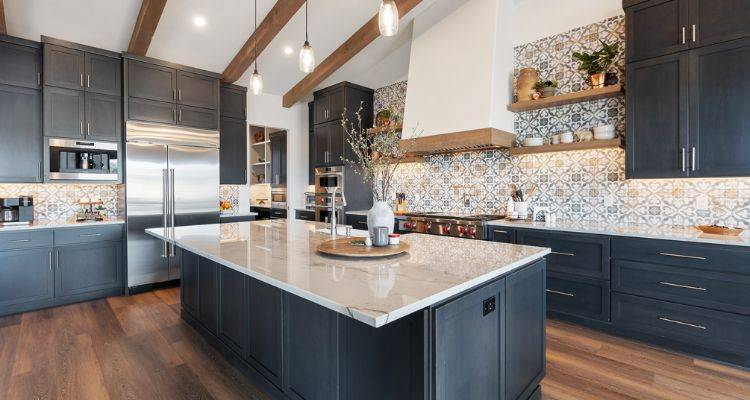
Popular choices vary in price, with costs typically quoted per square metre (m²), excluding the cost of fitting. The cost of fitting varies considerably depending on the material, as tiling requires a lot more prep work and setting time than materials like vinyl.
- Vinyl Flooring — A budget-friendly, waterproof option that is very quick to install.
- Laminate Flooring — Offers a popular wood-effect look at a lower cost than real wood.
- Tile Flooring — Extremely durable and available in a vast range of styles, from ceramic to natural stone.
- Solid Wood Flooring — A premium, long-lasting option that adds warmth but requires more maintenance than other materials.
| Flooring Material | Average Supply Cost per m² | Estimated Installed Cost (15m²) |
|---|---|---|
| Vinyl | £15–£30 | £375–£750 |
| Laminate | £10–£30 | £330–£825 |
| Porcelain / Ceramic Tiles | £30–£60 | £750–£1,500 |
| Solid Wood | £40–£100 | £975–£2,200 |
Want a custom price?
Post your job
Additional Kitchen Fitting Costs
Here are the additional costs of fitting a kitchen that you need to consider:
Waste Removal
Another cost to account for is the disposal of waste during the installation process.
Waste disposal will usually consist of simply hiring a skip. Skip hire costs begin at around £150 for a single skip hired for a week.
Included in the price of the hire is usually the cost of collection and disposal of the waste. Costs may rise if there are hazardous materials involved.
Lights and Power
Kitchen lighting prices can vary depending on the size of the kitchen, existing fittings, and the design of the new light fittings chosen.
I have 2 lights in my kitchen/diner and I'm looking to replace them with a dozen spotlights. These will need to be fitted from underneath (not taking carpet up from above). What should I expect to pay for the job and will a plasterer be needed after?
"It depends on quite a few things. For the work itself, you could expect to pay £7 – £35 per light (dependent on quality) then a price of around £150 – £200 for the work. It will need repairing after the work is done, but this can be just patched up."
Windows
When carrying out a complete kitchen remodel, many homeowners also take the opportunity to improve natural light in the space.
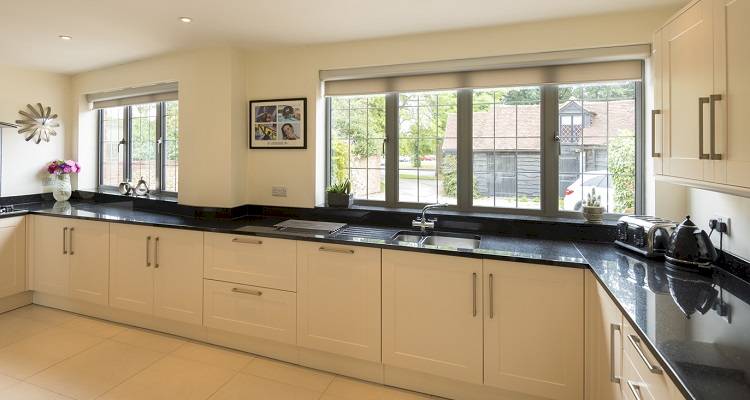
This could mean fitting a new or larger window, replacing old frames with modern uPVC windows, or even adding a skylight if the layout allows. These kinds of upgrades not only make your kitchen brighter and more inviting but can also increase property appeal.
Expect to pay around £400 to £800 for a set of uPVC windows fitted, depending on size, materials, and access.
What Affects Kitchen Fitting Prices?
You can't change average labour costs, but you can impact the total price by reducing how much work needs to be done on site.
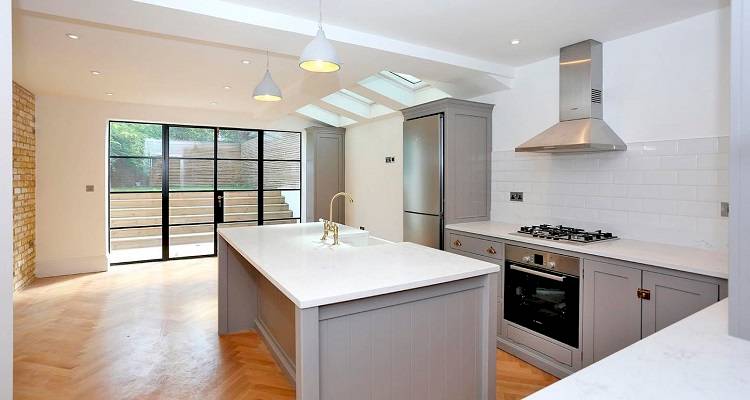
Here are the main areas that impact the overall cost of fitting a new kitchen:
- Kitchen Size and Layout — Bigger kitchens carry a higher price per square metre. While you can't change this fact, you can do some of the prep work yourself and clear the room ready for your kitchen fitters.
- Plumbing and Electrics — Unless you're a Gas Safe registered engineer or registered electrician, there's not much you can do here to reduce the time required to fit new electrics or plumbing.
- Worktop Material and Installation Complexity — Some worktops, like laminate, are easy and quick to install as a DIY project, while high-end materials like quartz or marble need specialist worktop fitters and are also more expensive to buy.
- Appliance Quality — While you can buy all the essential appliances for under £2,000, premium models can easily exceed £10,000. Appliances with smart features like Wi-Fi connectivity, touchscreens, or app integration typically sit in the mid-to-high end of these price ranges.
- Ease of Access and Location — An unavoidable cost factor is your geographical location. Those based in London or the surrounding areas can easily see an extra 10% to 25% added to any kitchen fitting labour fees.
Ask a Trade
Got a question that only a tradesperson can answer? We have thousands of trades ready to answer any question you may have.
Ask your question

What's Involved in Fitting a Kitchen?
Kitchen installations typically follow a similar pattern. Here's what to expect when your kitchen fitters get started on your project:
Before the Job
- Budget and Project Scope Agreed — With your kitchen fitter, you'll decide what your project will involve, and what your ideal overall kitchen installation cost is.
- Kitchen Designed and Quote Finalised — Considering your existing space, your dream kitchen will be designed, choosing your new appliances and cabinetry. The cost of kitchen fitting will also be agreed.
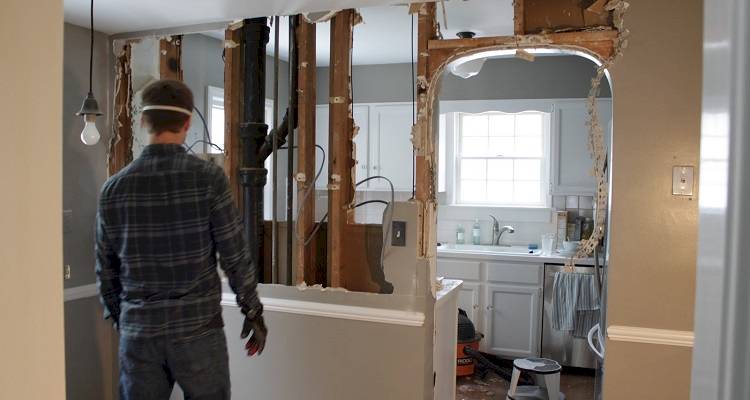
- Preparing the Space — Your old kitchen will be removed, and the site will need to be cleared ready for the new installation.
During the Job
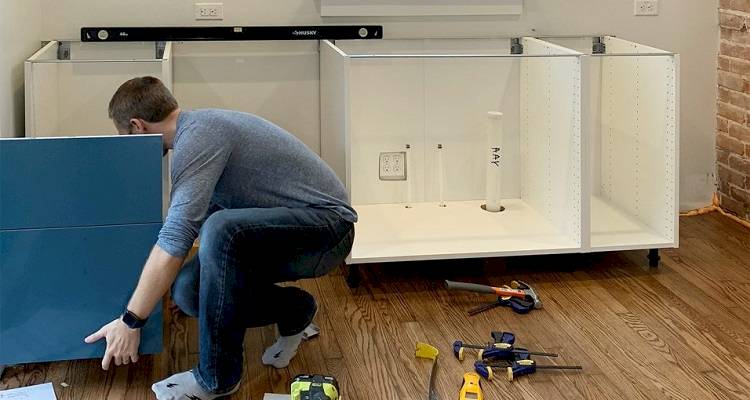
- Dry Installation Begins — Your kitchen fitter will install new kitchen cupboards, including wall and base units, ensuring everything is level and secure.
- Wet Installation Begins — Plumbing and electrics are upgraded and installed by qualified professionals.
- Worktops Installed — Depending on the worktop material, this can take a few hours or several days.
- Appliances are Connected — Gas appliances are connected by Gas Safe registered engineer (e.g., gas cookers), and any electrics (e.g., electric cookers) are connected by a registered electrician.
After the Job
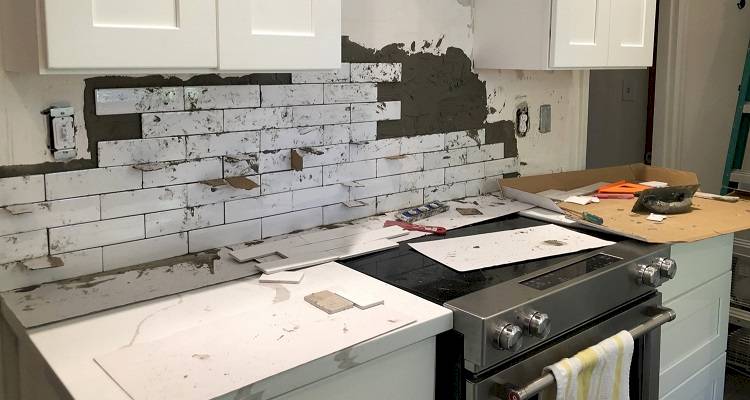
- Decorating and Making Good — Once your kitchen units, kitchen sink, and everything in between have been installed, you are free to decorate your new kitchen.
- Site Cleaned and Handed Over — You'll be shown how to use your new appliances before your kitchen fitter signs off the work.
What Are the Benefits of Fitting a New Kitchen?

- Increased Property Value — A modern kitchen can boost a property's value by 5% to 6%, meaning a home worth £250,000 could rise to around £265,000 after a quality kitchen remodel. A new kitchen often pays for itself when the house is sold.
- Improved Practicality, Function and Storage — A new kitchen is an opportunity to fix an outdated or inefficient layout. By rethinking the design, you can bring your dream kitchen layout to life, creating a practical space tailored to your lifestyle. Full-height cabinets, pull-out larders, and integrated storage can help make the most of the available space.
- Modernise Your Home — Updating your kitchen with modern styles and appliances can make your home more valuable if you're planning to sell. For a long-term investment, consider 'future-proofing' by choosing high-quality, energy-efficient smart appliances.
- Energy Efficiency — Modern, A-rated appliances are designed to be highly energy-efficient. Upgrading from older models can significantly reduce your electricity and water consumption, leading to direct savings on your utility bills and a smaller environmental footprint.
How to Keep Your Kitchen Fitting Costs Down
You'll need to budget carefully for your new kitchen as costs can add up quickly. Consider the following strategies to manage your expenses:
- Sell Your Old Appliances — Before you begin, consider selling your existing appliances online if they're in good working order. A used cooker or fridge can still fetch a reasonable price, helping to offset the cost of new ones.
- Compare Prices on Materials — The price for the exact same items — from units to taps — can vary significantly between retailers. Always shop around and compare costs from different suppliers before making a final purchase.
- Do the Rip-Out Yourself — Removing the old kitchen is labour-intensive but doesn't require a high level of skill. By tackling this yourself, you could save a full day or more of labour costs from your final bill. The cost to remove an old kitchen will typically range from £300 to £500. Be sure to leave any electrical, gas, or plumbing work to a professional, however.
- Wait for Seasonal Sales — Kitchen and appliance retailers have sales events throughout the year. Planning your purchases around these sales can often save you up to 50% on big-ticket items or allow you to upgrade to a better model within your budget.
- Consider Alternatives — Kitchen wrapping is a cheaper alternative to a complete new kitchen if the existing cabinets and work surfaces are in good condition and just need a cosmetic upgrade. You could also paint the wall or floor tiles for a cheap, quick refresh.
Checklist: Hiring a Kitchen Fitter in the UK
When looking into the cost of fitting a kitchen, it's easy to get overwhelmed with options.
Here's a simple no-frills checklist to keep in mind when looking at local kitchen fitters:
- Are they qualified? Depending on the kitchen fitter hired, qualifications to look out for are CSCS certifications, City and Guild levels, or college-gained qualifications such as Higher National Certificates (HNCs).
- Are they insured? Make sure they possess at least third-party liability, but ideally, your fitter should have public liability insurance.
- Can you look at their past work? Look at the contractor's MyJobQuote profile to read reviews from past clients and look at any photos/videos in their portfolio to get an idea of their quality.
- Do they offer a written quote? Best practice is to get all quotes in written format, and itemised to include every aspect of the project's scope.
- Is waste removal included? Check this before agreeing to work with a trader, as it can be a potentially hidden cost if not initially discussed and agreed.
- Do they offer a guarantee? Try to find a trader with a 5-year guarantee or greater. This means that if any problems arise, you're covered and they will fix their mistakes at no expense to you.
Try to get at least 3 quotes from kitchen fitters near you to get an idea of local prices in your area. Armed with this knowledge, you can make an informed decision about who to hire for your kitchen reno project.
FAQs
How Long Will My New Kitchen Last?
Depending on the quality of the build materials and kitchen appliances, the average new kitchen will last around 15 to 25 years.
Can I Buy My Own Kitchen, and Just Hire a Fitter?
Yes, this is a common approach. You can buy a kitchen from any supplier (B&Q, Howdens, IKEA, Magnet, etc.) and hire an independent kitchen fitter or carpenter to install it. This often gives you more flexibility and can be more cost-effective than using a supplier's in-house fitting service.
Can I Fit a Kitchen Myself?
You can install a basic pre-built kitchen yourself, but it requires significant skill and effort. It's generally more cost-effective to hire a qualified professional, although simple jobs like painting the walls or cupboards and sealing worktops are often manageable for DIY enthusiasts.
What's the Difference Between a 'Dry Fit' and a 'Wet Fit'?
A 'dry fit' is the basic installation of cabinets, worktops, and doors, with no electrical and plumbing work included. A 'wet fit' is the complete job, including connecting the sink, taps, dishwasher, and all other electrical appliances.
Do I Need a Qualified Electrician or Gas Safe Registered Engineer for a Kitchen Refit?
If your kitchen installation involves new electrical circuits, lighting, or sockets, you'll need a qualified electrician. Similarly, if you're installing or moving gas hobs, ovens, or pipework, you'll need a Gas Safe Registered Engineer. You should never attempt electrical or gas work yourself if you don't have the proper qualifications.
Do I Need an Architect to Design a New Kitchen?
In most cases, you don't need an architect to design a new kitchen, unless you are changing the layout, moving walls, adding an extension, or need detailed plans for building control or structural work. Many kitchen fitters and suppliers offer a design service, and they can produce layouts and basic drawings as part of the quote. The cost to hire an architect can reach up to £200 per hour, but most will price the work as a fixed fee.
What Is the Most Expensive Part of a New Kitchen?
The cabinets are usually the most expensive part of a new kitchen, typically accounting for 30% of the budget or more. The exact cost breakdown varies depending on the style and materials chosen.